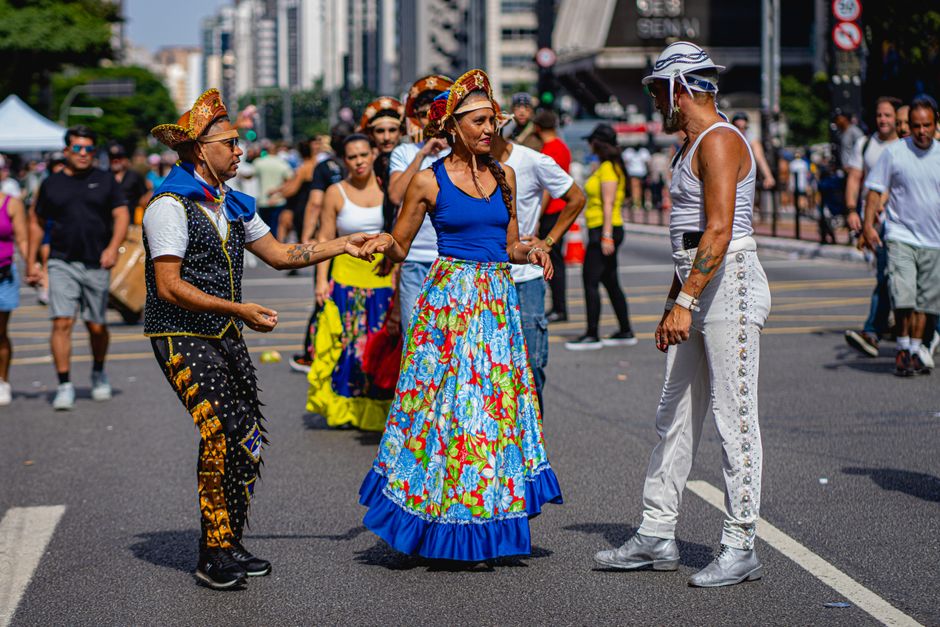
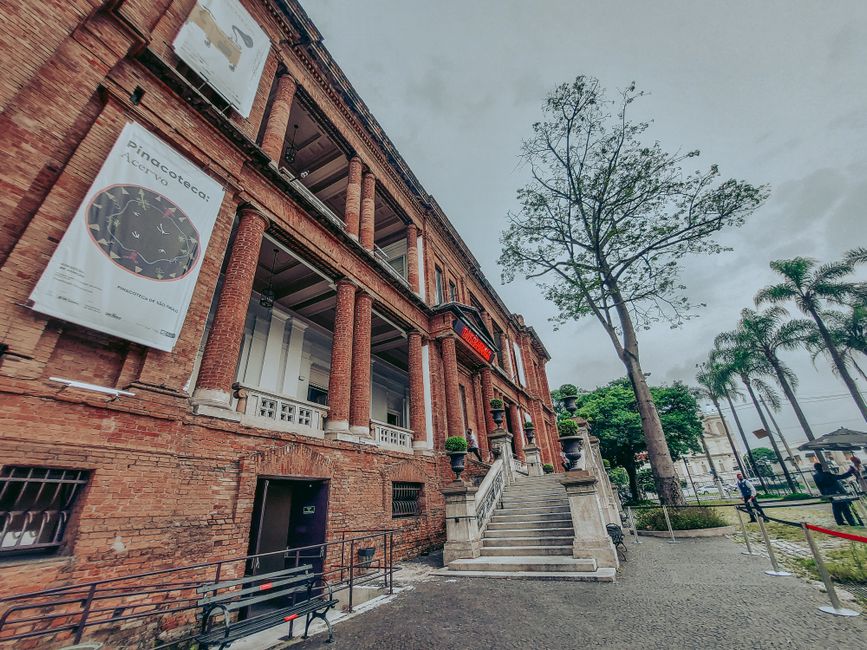
Walk past the Teatro Itália on Avenida Paulista on a Wednesday evening and you'll notice something that seemed impossible just eighteen months ago: the venue is selling out both its in-person shows and its simultaneous livestream broadcasts to audiences across Brazil and the diaspora. The hybrid model, once dismissed as a temporary pandemic concession, has become São Paulo's most talked-about shift in how theatre reaches people.
The conversation intensified after the Sesc Pinheiros announced in May that its digital archive of performances—free to stream for members—has accumulated over 480,000 views since launch. That's not marginal engagement. It's reshaping expectations about cultural access in a city where transport costs and time constraints have always been genuine obstacles for working-class audiences in outer zones like Zona Leste.
What's driving the conversation locally isn't just technology, though. It's scarcity reframed as opportunity. With Brazil's cultural funding mechanisms under renewed pressure and international touring productions scaling back visits to South America, São Paulo's theatre sector has been forced to think differently about sustainability. The Teatro Oficina in Lapa—historically a laboratory for experimental work—launched a "pay-what-you-can" digital tier in April, and it attracted viewers from smaller cities across São Paulo state who'd never attended a performance in person.
Pricing matters. Standard theatre tickets in established venues now hover between R$60 and R$150, pricing out many locals. Digital access at R$25–35 has opened doors. The Fundação Bienal, which oversees cultural programming across multiple sites, reported that hybrid-access performances attracted 34 percent more total viewers than traditional in-person-only offerings.
But locals aren't uniformly celebrating. Actors' unions have raised concerns about performer compensation in digital models, and venue operators worry about the long-term economics of splitting audiences. Some traditionalists argue that theatre's irreplaceable power lies in shared breath, in the accident of live presence—something no stream can replicate.
The real story, though, is how São Paulo's performing arts community is navigating genuine constraint with pragmatism. Neither abandoning the theatre nor pretending digital doesn't matter. Instead, they're building something messier and more inclusive: a city where someone can experience cutting-edge performance from a bus on the way home from work, and where that person might eventually buy a ticket to sit in a dark room with strangers and feel truly present.
That conversation—about access, about who gets to participate in culture—is what's electrifying São Paulo's arts scene right now.
This article was compiled by AI and screened before publishing. See our editorial standards.