Emerging Artists Transform São Paulo's Festival Scene Across Neighborhoods
From Vila Madalena to Pinheiros, a new generation of curators and artists is taking control of the cultural agenda—and the city is listening.
From Vila Madalena to Pinheiros, a new generation of curators and artists is taking control of the cultural agenda—and the city is listening.
Listen to this article · 3:33
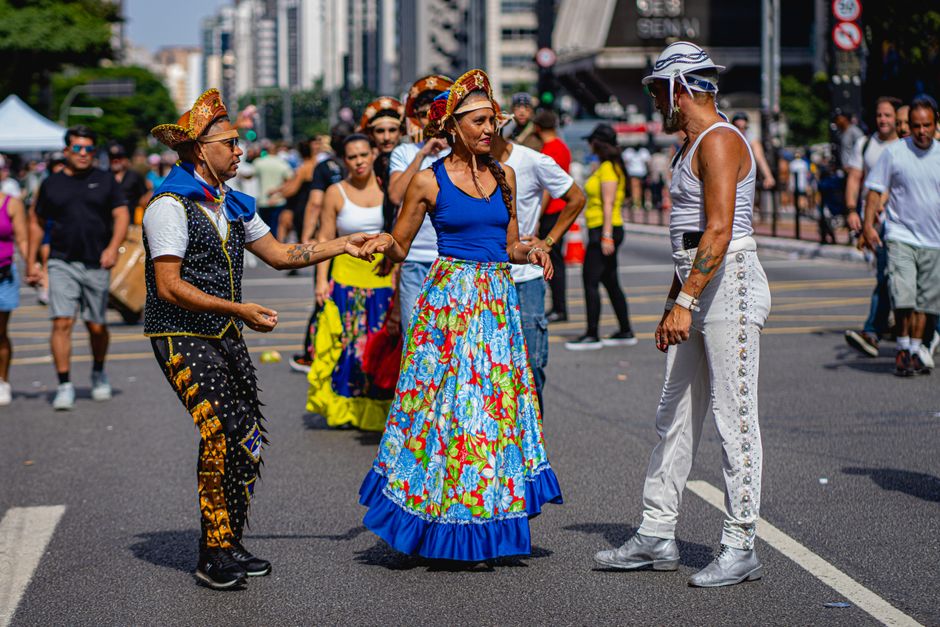
Walk through São Paulo's festival circuit in 2026 and you'll notice something has shifted. The programming that once centered on established names and predictable lineups is being quietly disrupted by a crop of emerging curators, producers, and artists who are rewriting what the city's calendar can be.
The transformation is most visible in neighborhoods that have become unofficial headquarters for this wave. In Vila Madalena, the collective Reverberação has grown from underground warehouse events to officially partnering with the Prefeitura on three major festivals, drawing an estimated 40,000 attendees across their summer programming. Just east in Pinheiros, independent venues like Sesc Pompeia continue to nurture first-time producers through residency programs that have launched over 60 emerging talent voices in the past three years alone.
What distinguishes this moment is the intentionality behind curation. Rather than importing international models wholesale, these emerging voices are mining São Paulo's own cultural DNA—pulling from the city's legendary street art heritage, its underground electronic music networks, and its decades-long tradition of socially engaged performance. The Festa da Juventude, historically a municipal event, has been reimagined by a consortium of artists under 35 who've expanded it from a single weekend to a rolling 12-week program across different neighborhoods.
The economics matter too. Festival budgets in São Paulo have become more distributed. While mega-events still command millions, the infrastructure supporting emerging talent has expanded significantly. Grants from organizations like Funarte and municipal cultural funds now allocate roughly 22% of annual budgets specifically to artists and curators producing their first major-scale events—up from 8% five years ago.
Mid-year festivals like the Mostra de Cinema Independente de São Paulo and the recently revived Festa do Livro, now programmed by rotating collectives of younger curators, have become proving grounds. These aren't tokenistic appearances; emerging producers are making structural decisions about venue selection, artist fees, and audience access that ripple through the city's cultural ecosystem.
The geography of this shift matters. As central neighborhoods like Bela Vista and Centro become increasingly expensive, cultural production has genuinely decentralized toward Zona Leste neighborhoods like Itaquera and Guaianazes, where emerging voices are building community-rooted festivals that draw fewer tourists but deeper local investment.
By autumn, São Paulo's cultural calendar will reflect this transition fully. The question is no longer who's visiting São Paulo's festivals. It's whose vision of the city's future will actually shape them.
This article was compiled by AI and screened before publishing. See our editorial standards.
How does this story make you feel?
Spread the word
About this article
Published by The Daily São Paulo
Daily brief
Free, in your inbox before 7am. Weekdays.
More in culture