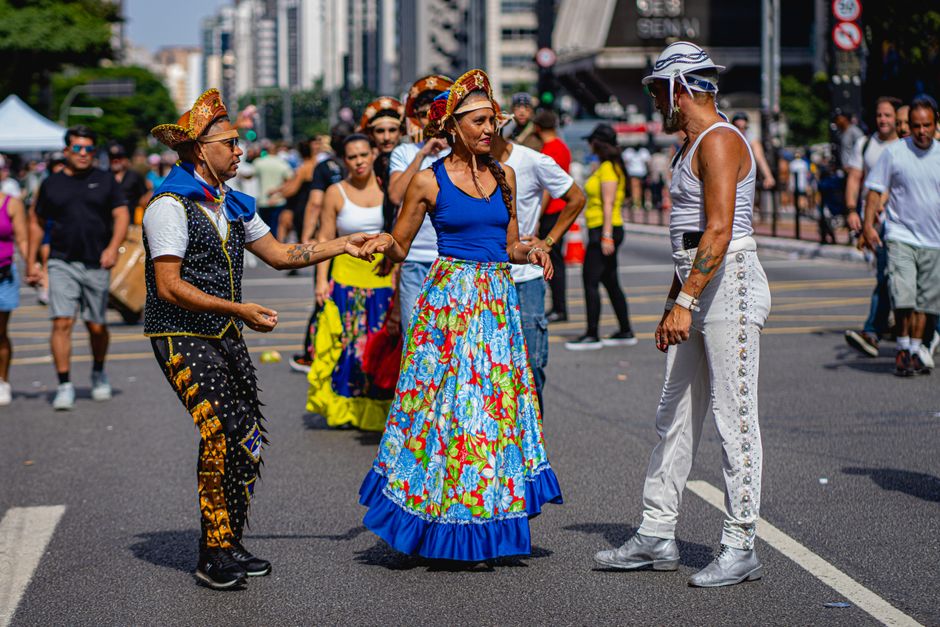
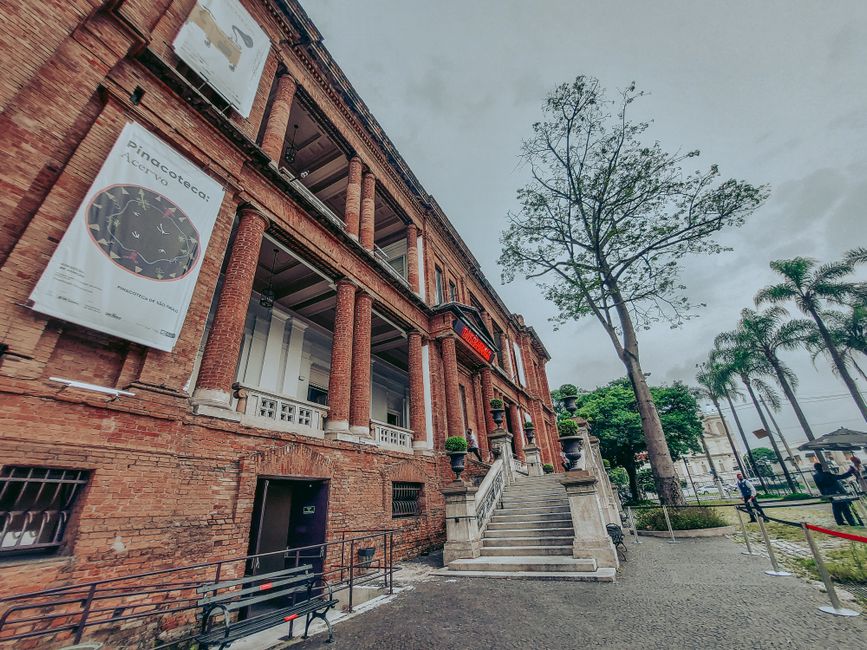
Walk down Rua Augusta on any Thursday night and you'll hear it—the unmistakable sound of São Paulo's musical future bubbling up from basement venues and converted warehouses. While megastar concerts at the Allianz Parque continue to draw massive crowds, the real innovation is happening in spaces like SESC Pompéia and the cramped clubs of Vila Madelena, where emerging artists are building devoted audiences without major label backing.
The shift reflects a broader transformation in how live music operates in Brazil's largest city. Concert ticket prices have climbed 34% since 2023, according to data from the São Paulo Culture Secretariat, while independent venue closures in central neighbourhoods have pushed grassroots performers toward alternative spaces. Yet paradoxically, this pressure has created opportunity. Collectives like Discos Dinámicos and independent promoters operating through Instagram have cultivated a thriving ecosystem that prioritizes artistic experimentation over commercial formula.
Rua Aspinwall in Pinheiros has become particularly significant—a corridor where converted storefronts now host everything from psych-rock fusion to electronic improvisation. The neighbourhood's relatively affordable rental rates compared to Zona Norte venues have attracted young curators who programme eclectic three-hour sets that would never find backing from traditional promoters. Venue capacity typically ranges from 80 to 250 people, creating intimate experiences that contrast sharply with the 40,000-capacity stadiums hosting international acts.
What distinguishes this wave is its deliberate resistance to categorical labels. Artists emerging from the Bom Retiro and Brás neighbourhoods are blending tropicália influences with contemporary electronic production, sampling São Paulo's street sounds as compositional material. Several have amassed 200,000+ Spotify followers through savvy TikTok strategy and consistently packed shows—without traditional radio support.
Financial models are evolving too. Collective door-sharing arrangements and sliding-scale ticket pricing (ranging from R$20 to R$60) have democratized attendance while building sustainable artist income. The SESC system continues subsidizing experimental programming, maintaining affordable access to venues where emerging talent can develop audiences.
Industry observers note this mirrors transformations in Berlin and São Paulo's own 1980s underground rock scene. The difference: today's artists have global distribution without geographic gatekeeping. That combination—local DIY ethos meeting international reach—is precisely what's propelling the next generation toward significance.
This article was compiled by AI and screened before publishing. See our editorial standards.