On a humid afternoon in Pinheiros, inside a converted 1970s printing factory on Rua Bandeira, gallerist Marina Abramović's former studio neighbour walks through rows of raw concrete pillars and skylights. This building, now home to three established galleries and a rotating collective of emerging artists, represents something larger: the deliberate architecture of São Paulo's art world, built by people who believed the city deserved global recognition decades before it received it.
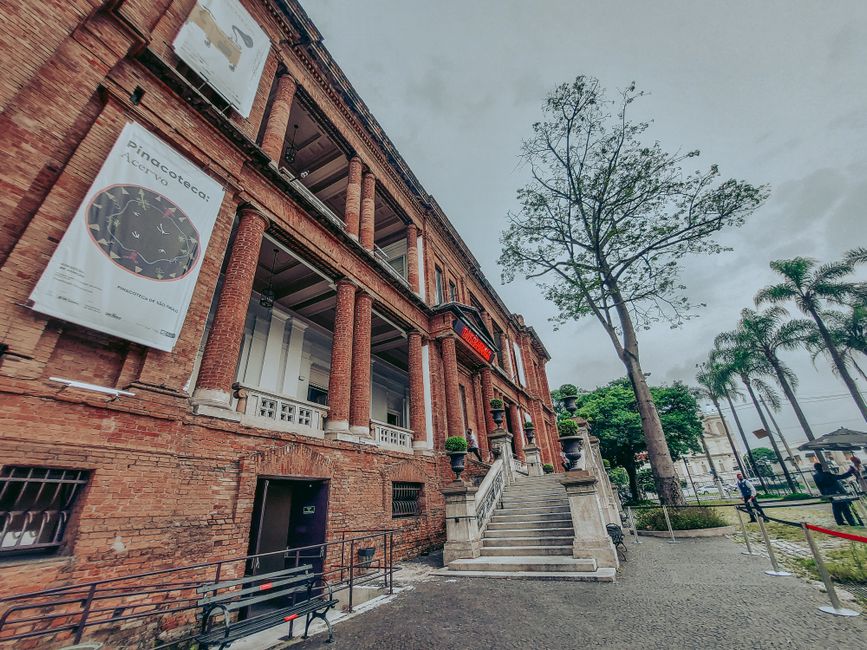
The story of São Paulo's galleries and museums is inseparable from the vision of individuals who took enormous risks. In the 1990s, when the city's cultural infrastructure was fragmented and under-resourced, pioneers began establishing spaces in unlikely neighbourhoods. The Pinacoteca do Estado, originally founded in 1905, was revitalised under new leadership in the late 1990s, becoming a model for institutional transformation. Today, with over 9,000 artworks and approximately 280,000 annual visitors, it anchors the city's museum ecosystem on Avenida Tiradentes.
But the real revolution happened in commercial galleries. Vila Madalena, once a bohemian neighbourhood marked by street art and underground culture, became systematically developed as an arts district through the efforts of independent gallerists who opened spaces like Galeria Nara Roesler (now with locations across three continents) and Galeria Fortes D'Aloia & Gabriel. These weren't corporate initiatives; they were acts of cultural conviction.
The numbers tell part of the story. São Paulo now hosts roughly 140 registered contemporary art galleries, with spaces ranging from intimate 50-square-metre artist-run collectives to institutional galleries occupying entire warehouse blocks. The average price for contemporary Brazilian art at mid-tier galleries ranges from R$15,000 to R$150,000, making the market accessible yet serious enough to attract international collectors.
The human element remains decisive. Curators like those at Instituto Tomie Ohtake, opened in 2001, didn't simply display art—they educated audiences, hosting free community programmes and experimental exhibitions that democratised access. The São Paulo Museum of Art (MASP), with its iconic modernist cantilever on Avenida Paulista, became a gathering space as much as a museum, shaped by directors who understood that institutional power comes from community trust.
Today's emerging scene—accessible through platforms documenting artist collectives in neighbourhoods like Brás and Tatuapé—owes everything to the foundation these pioneers laid. Their legacy isn't measured only in attendance figures or market value, but in the belief that a sprawling megacity of 12 million could become a place where art matters.
This article was compiled by AI and screened before publishing. See our editorial standards.