Walk down Rua Girassol in Vila Mariana on any given weekend, and you'll encounter a creative energy that feels distinctly different from the city's traditional museum quarter. Here, alongside established galleries like Galeria Fortes Vilaça, a quieter revolution is unfolding—one driven by artists in their late twenties and thirties who refuse to wait for institutional validation.
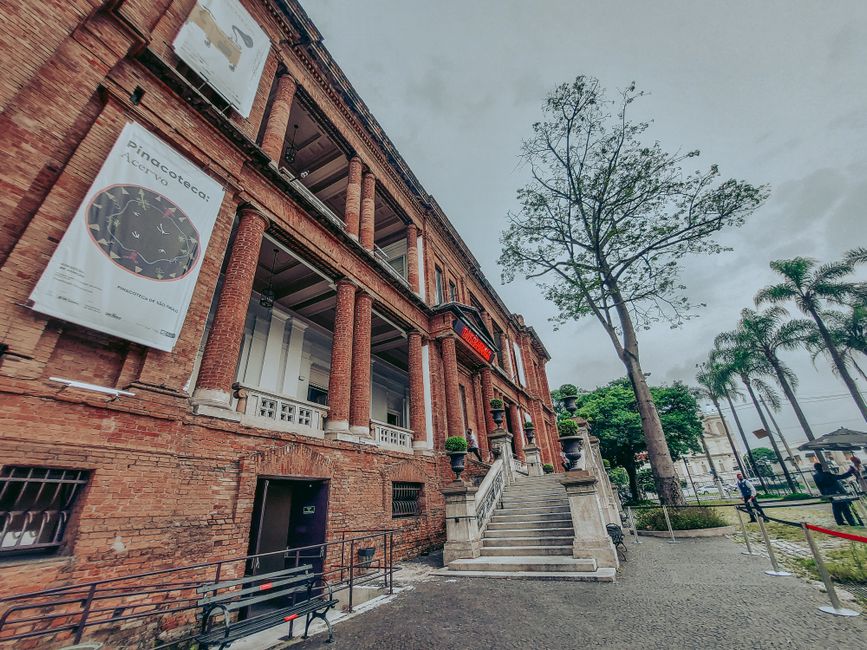
The shift reflects a broader recalibration in São Paulo's art world. While institutions like MASP and Pinacoteca continue to anchor the city's cultural identity, a generation shaped by pandemic isolation, digital connectivity, and economic precarity is creating alternative pathways to visibility. Independent project spaces have tripled in the Pinheiros and Vila Madalena neighborhoods since 2023, many operating on shoestring budgets and artist-run models that echo movements seen in Berlin and Mexico City rather than São Paulo's own hierarchical gallery system.
Consider the emergence of collectives focusing on underrepresented voices: artists exploring queer narratives, Indigenous perspectives, and the visual language of the periphery are finding platforms through temporary installations, artist residencies, and micro-galleries operating from converted warehouses. Entry costs matter—a typical gallery opening in the Zona Oeste still charges less than 50 reais for emerging shows, compared to upwards of 150 reais for blockbuster exhibitions at major institutions.
The institutional response has been cautious but watching. São Paulo's major museums have begun rotating curatorial positions, inviting younger, more demographically diverse voices into decision-making roles. Yet tension persists: many emerging artists still view traditional gatekeepers with skepticism, preferring to build audiences through Instagram, collaborative projects, and word-of-mouth networks that operate outside conventional art-world channels.
What distinguishes this moment isn't just the artists themselves, but a philosophical shift. Rather than aspiring toward the marble halls of Avenida Paulista, this emerging cohort is asking whether those institutions deserve their reverence at all. They're creating work in dialogue with the city's lived reality—its traffic, its inequality, its digital saturation—rather than in conversation with European modernism.
For collectors and institutions accustomed to identifying talent through established channels, the new landscape requires patience and genuine curiosity. The next generation of São Paulo's art world won't announce itself through major gallery representation alone. It's already here, working in studios across the periphery, mounting shows in neighborhood cultural centers, and reshaping what contemporary Brazilian art can be.
This article was compiled by AI and screened before publishing. See our editorial standards.