The narrative of São Paulo's fashion industry reads like a city reinventing itself through creative ambition. What began as scattered ateliers in Bom Retiro during the 1970s—when immigrant seamstresses and tailors established the district as a textile manufacturing hub—has evolved into a sophisticated global design ecosystem worth an estimated R$15 billion annually.
The transformation wasn't immediate. For decades, Bom Retiro remained primarily functional: fabric warehouses, wholesale operations, small production facilities. But by the late 1990s, as manufacturing shifted elsewhere, creative entrepreneurs began claiming vacant spaces. Design schools proliferated. Young designers opened showrooms in converted factory lofts. What could have been urban decay became cultural renewal.
Today, the 25 de Março neighbourhood pulses with this creative energy—a place where street-level fabric shops sit alongside design studios, and vintage boutiques share blocks with emerging brands. The Rua 25 de Março itself, once purely commercial, now hosts fashion events and collaborative spaces that draw international buyers during Brazil's biannual fashion week.
The institutionalization of this scene came through organizations like ABIT (Brazilian Fashion Industry Association) and the establishment of São Paulo Fashion Week in 1996. Originally held at Ibirapuera Park's modernist pavilions, the event has grown to showcase approximately 80 brands annually and attracts thousands of international press and buyers. For emerging designers, participation costs between R$8,000 and R$25,000—a significant investment that nonetheless draws hopeful creators across Brazil.
Vila Mariana and the Design District around Rua Oscar Freire represent the luxury evolution of this narrative. What was residential has become a concentration of high-end boutiques, galleries, and design showrooms. The street now hosts over 300 fashion-related businesses within walking distance, creating a density comparable to established fashion districts in global cities.
Education proved crucial. Design courses at institutions like Senac São Paulo and Universidade Anhembi Morumbi professionalized what was once apprenticeship-based knowledge. These programs have graduated thousands, many launching brands that now operate globally.
The sector today faces challenges—international competition, sustainability pressures, manufacturing costs—yet continues adapting. Digital platforms have democratized direct-to-consumer sales. Smaller designers now bypass traditional wholesale structures entirely. São Paulo's fashion evolution reflects broader city dynamics: industrial past, creative present, uncertain future.
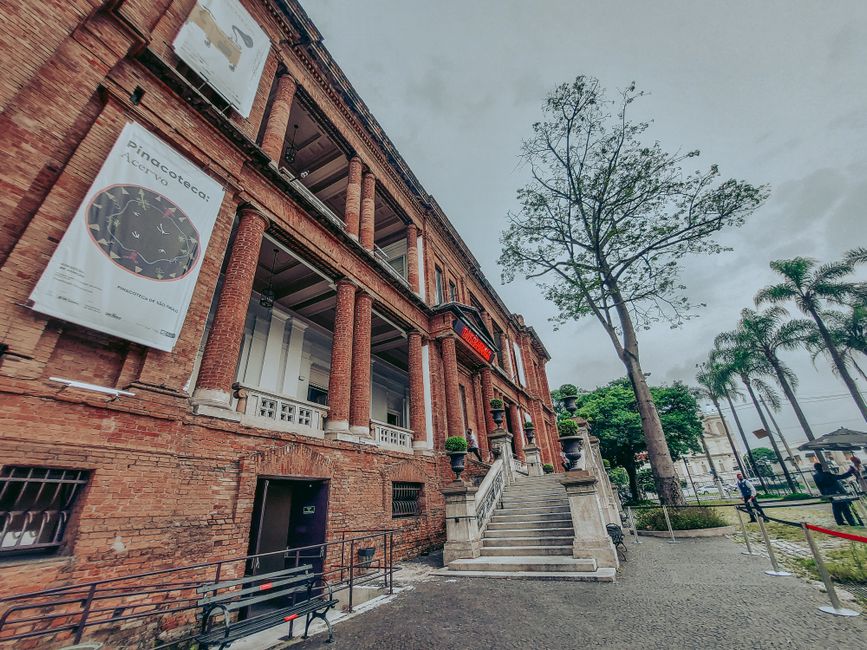
The worn brickwork on Bom Retiro's streets tells this story physically. São Paulo's fashion scene remains restless, perpetually reinventing itself, much like the city itself.
This article was compiled by AI and screened before publishing. See our editorial standards.