Street Art Transforms São Paulo as Gentrification Divides Communities
As gentrification reshapes Vila Madalena and new muralism spreads to Zona Leste, creatives and residents are locked in a debate over who owns the city's walls.
As gentrification reshapes Vila Madalena and new muralism spreads to Zona Leste, creatives and residents are locked in a debate over who owns the city's walls.
Listen to this article · 3:37
Walk down Rua Gonçalo Afonso in Vila Madalena on any Saturday morning, and you'll witness São Paulo's most visible cultural contradiction: tour buses idling alongside graffiti crews, Instagram influencers posing before freshly painted murals, and corner bars charging R$18 for a chopp that cost R$8 five years ago. The neighborhood has become a living museum of street art's complicated relationship with urban renewal, and it's the reason locals won't stop arguing about it.
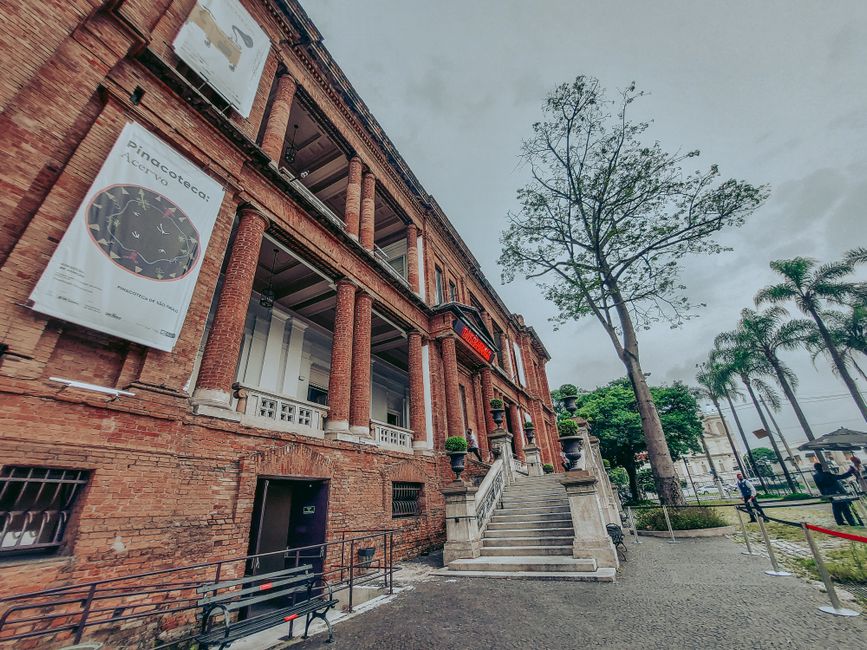
The transformation accelerated dramatically after 2024, when institutional investment in street art districts tripled. The Beco do Batman—once a clandestine canvas—now attracts 15,000 weekly visitors and hosts scheduled artist rotations. Meanwhile, the Pinacoteca do Estado began a partnership with Zona Leste crews, legitimizing muralism in periphery neighborhoods like Tatuapé and Itaquera that rarely see cultural infrastructure investment. It's generated R$40 million in economic activity, according to São Paulo's tourism bureau, but it's also priced out the very artists who built these districts.
The tension is most visible in Pinheiros, where galleries have begun colonizing streets historically managed by writers. Established crews complain that curated commissions—paying R$5,000–R$15,000 per mural—have transformed street art from an act of defiance into branded content. "We're becoming decorators for real estate development," says the sentiment echoing through WhatsApp groups and Instagram stories among artists who remember when painting meant risk.
Yet there's genuine innovation happening too. The Coletivo Mina, operating across Consolação and Centro, trains young muralists in climate activism through visual storytelling. Their recent 300-square-meter series on Rua Augusta about water scarcity generated international attention and sparked city-wide conversations about infrastructure. The Associação Paulista de Arte Urbana, founded in 2023, now mediates between city planners and creative communities—a role unthinkable a decade ago.
The real story isn't whether gentrification is good or bad; it's that São Paulo is grappling with whether commercial success can coexist with artistic independence. Property values in Vila Madalena have risen 34% since 2022. Rents for artist studios in traditional creative zones have become prohibitive, forcing many to Capão Redondo and Itapecerica da Serra—further from galleries and institutional support.
What's clear is that the conversation has shifted from whether street art matters to who gets to decide what that mattering looks like. That's why people can't stop talking about it.
This article was compiled by AI and screened before publishing. See our editorial standards.
How does this story make you feel?
Spread the word
About this article
Published by The Daily São Paulo
Daily brief
Free, in your inbox before 7am. Weekdays.
More in culture