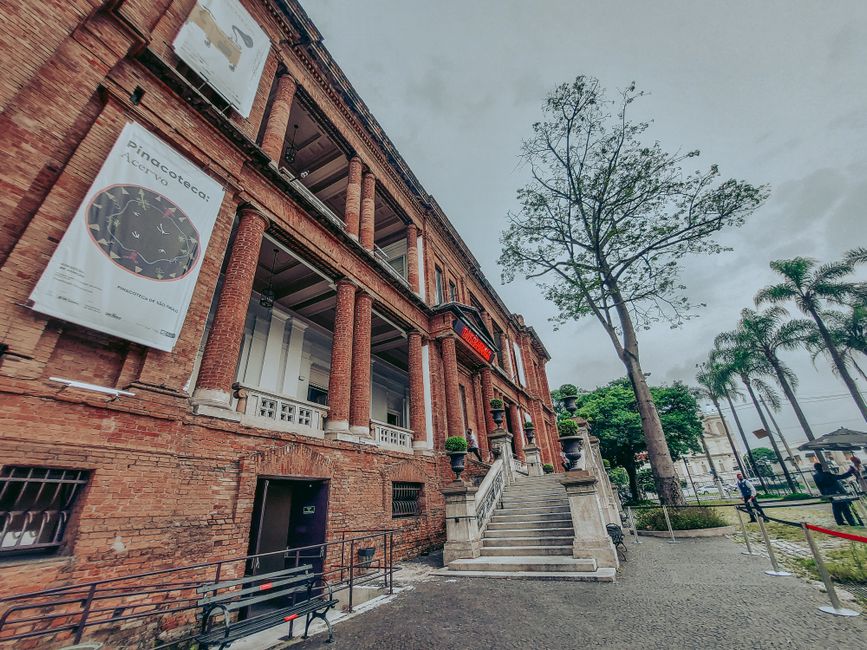
On a corner of Rua Aspicuelta in Vila Madalena, what was once a deteriorating 1960s residential building now hosts rotating exhibitions of Brazilian modernist photography. The transformation represents something far larger than a simple renovation: it reflects a growing movement of neighbourhood collectives rewriting how São Paulo understands itself.
Over the past three years, organizations like the Coletivo Memória das Ruas and Casa da Cultura Periférica have catalysed a shift in how São Paulo treats its architectural past. Rather than waiting for municipal resources or private developers, residents in districts from Bom Retiro to Santo Amaro are documenting, preserving and reinterpreting the built environment that shaped daily life across the city's 96 districts.
"The official narrative only celebrates Copacabana Palace-style grandeur," explains the work happening through these grassroots networks. "We're saying that the vernacular, the everyday—that's where real cultural identity lives." Walking tours documenting Italian migration through Bom Retiro's shopfronts now attract 400-500 participants monthly, while digitisation projects cataloguing photographs from Grajaú's post-war development have documented over 2,000 family archives.
The movement has economic implications. Small museums and heritage cafés opened by community groups in Liberdade—targeting the Japanese-Brazilian and Korean heritage corridors—report generating estimated R$12-15 million annually in local spending. Investment in heritage tourism infrastructure across these neighbourhoods has created roughly 280 documented jobs, predominantly for residents aged 25-45 who might otherwise lack formal employment pathways.
Yet this cultural reclamation isn't frictionless. The gentrification of Pinheiros and Perdizes has accelerated as heritage becomes fashionable, with rental prices in renovated historic buildings rising 34% since 2023. Community groups increasingly face tensions between preservation and displacement—they're discovering that making neighbourhoods culturally valuable can inadvertently price out the very residents whose stories they're documenting.
The movement's political weight has grown nonetheless. Municipal heritage committees now include representatives from collectives like Ponte Preta Memória and Favela da Paz cultural networks. Two dozen neighbourhood associations successfully lobbied for pedestrianisation of Rua 25 de Março's commercial heritage corridor, while documentation efforts in São Miguel Paulista have influenced planning decisions for the eastern industrial zones.
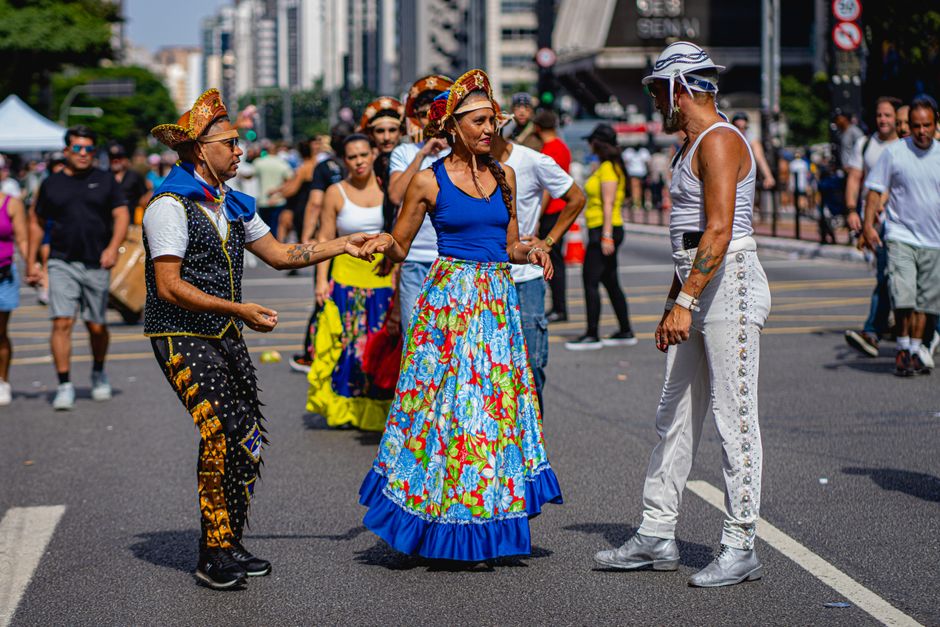
What distinguishes this moment is its radical democratisation of cultural authority. São Paulo's identity, these communities argue, cannot be authored by institutions alone. As summer heritage festivals draw record crowds to neighbourhoods previously invisible in mainstream cultural programming, the city is experiencing a fundamental shift: the recognition that heritage belongs to those who lived it.
This article was compiled by AI and screened before publishing. See our editorial standards.