How São Paulo's Hidden History Is Reshaping Its Creative Identity
As the city reclaims forgotten narratives from its industrial past and immigrant communities, a new generation of artists is redefining what it means to be culturally paulista.
As the city reclaims forgotten narratives from its industrial past and immigrant communities, a new generation of artists is redefining what it means to be culturally paulista.
Listen to this article · 3:34
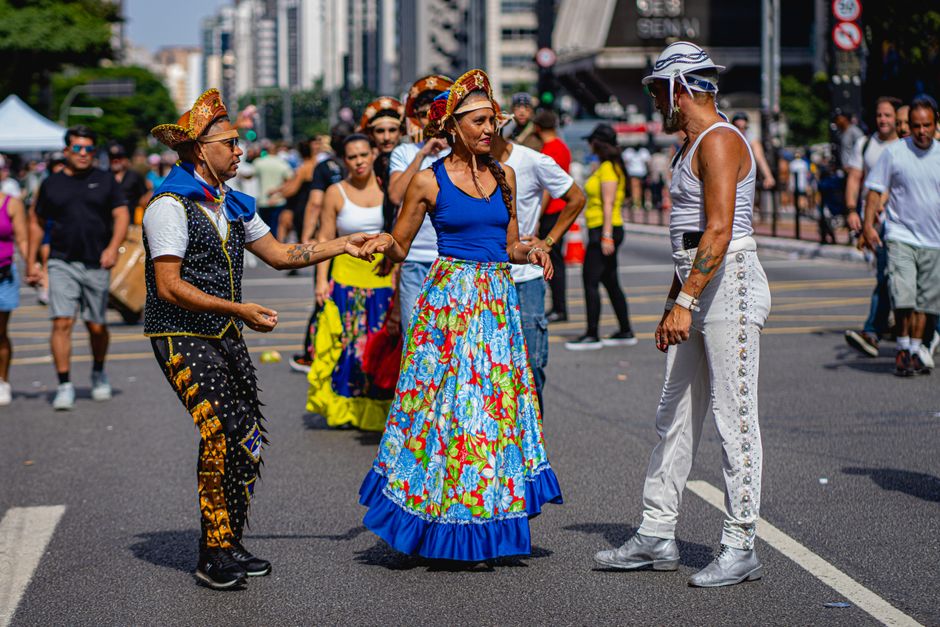
Walk through the narrow corridors of the Bom Retiro neighbourhood on any given weekend, and you'll encounter a São Paulo that most tourists never see. Between the crumbling facades of former textile factories and the faded signs of Armenian, Jewish, and Korean businesses, a creative renaissance is quietly reshaping how the city understands itself.
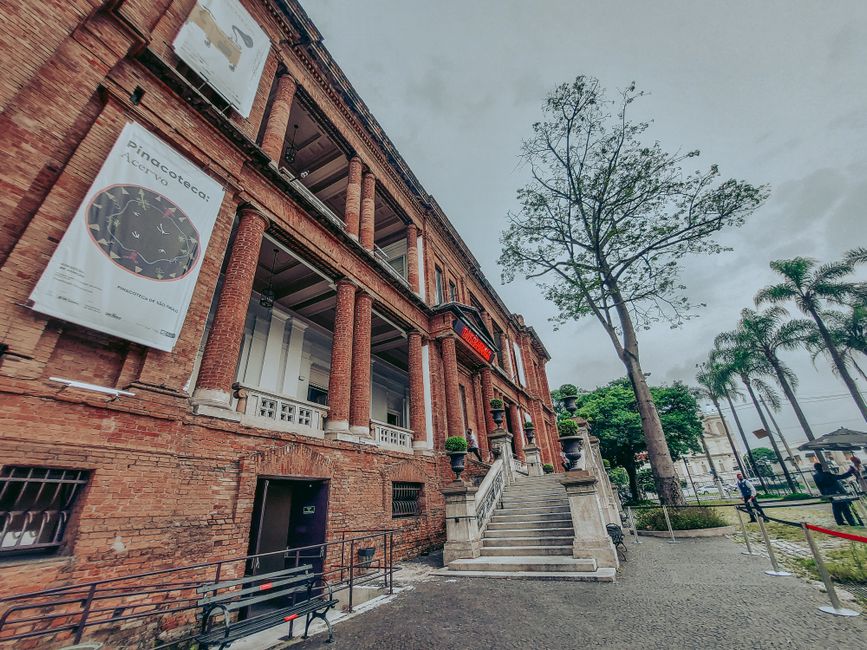
This reclamation of São Paulo's overlooked heritage has become the defining force in the city's contemporary cultural landscape. Museums like Instituto Moreira Salles and the newly revitalised Pinacoteca do Estado are increasingly exhibiting works that excavate the immigrant narratives and industrial memories that built modern São Paulo. Meanwhile, grassroots cultural organisations across the city—from the Favela Painting project in Paraisópolis to smaller collectives documenting oral histories in the Zona Leste—are positioning local heritage not as nostalgia, but as active creative material.
The numbers tell a compelling story. According to data from São Paulo's Secretaria Municipal de Cultura, investment in community-led heritage projects has increased 34% since 2023, with particular growth in neighbourhoods like Brás, Mooca, and Tatuapé—areas whose industrial infrastructure shaped the city's twentieth-century identity. Venues like Sesc Pompéia, housed in a landmark Lina Bo Bardi building, now anchor programming that deliberately connects architectural preservation with contemporary artistic practice.
What distinguishes this moment is how artists are interrogating the relationship between past and present identity. Rather than treating history as something archived and concluded, São Paulo's creative community—from visual artists to musicians to theatre makers—is asking what it means to be inheritors of a city built by waves of migration, labor exploitation, and cultural collision. The thriving independent gallery scene along Rua Bandeira and the experimental theatre spaces of Vila Mariana are filled with work grappling explicitly with these legacies.
This isn't merely aesthetic nostalgia. When street artists repaint murals in Vila Madalena that reference the city's Japanese immigration, or when independent publishers document the histories of now-demolished cortiços in the Centro, they're asserting that cultural identity is something continuously constructed, not passively inherited. It's a distinctly paulista conversation—rooted in the city's actual demographic composition and its particular history of rapid industrialisation and urban transformation.
As global cities increasingly compete for cultural capital through spectacle and import, São Paulo is finding something more durable: a creative identity grounded in excavating and reimagining the stories already embedded in its streets.
This article was compiled by AI and screened before publishing. See our editorial standards.
How does this story make you feel?
Spread the word
About this article
Published by The Daily São Paulo
Daily brief
Free, in your inbox before 7am. Weekdays.
More in culture