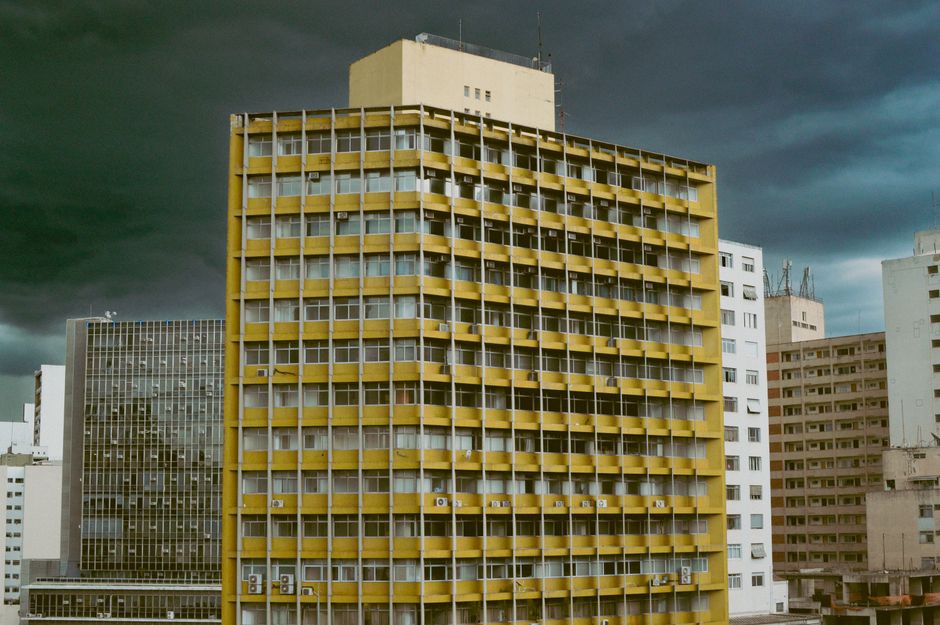
Walk through Vila Madalena on any Saturday afternoon and you'll encounter the pulse of São Paulo's design renaissance. Between the street art murals and buzzing cafés, young fashion designers operate from converted warehouses and modest ateliers, crafting pieces that are gaining international attention. This creative ecosystem—born from necessity and nurtured by the city's restless energy—is increasingly defining how São Paulo sees itself and how the world sees the city.
The numbers tell part of the story. São Paulo's creative industries sector, which includes fashion design, now generates approximately 4.2 billion reais annually and employs over 200,000 people, according to municipal cultural development data. Fashion Week São Paulo, held twice yearly at the Ibirapuera Park pavilions, has evolved from a regional showcase into a critical stop on the global fashion calendar, attracting buyers and press from Milan, New York, and Paris. Yet the real transformation is happening beyond the official events.
The Rua 25 de Março district, historically a commercial hub for textiles and notions, has metamorphosed into an unlikely incubator for independent designers. Alongside fabric wholesalers, design studios now occupy upper floors, creating a vertical ecosystem where makers can source materials, collaborate, and produce locally. This proximity has reduced production costs and strengthened community bonds—a practical advantage that translates into cultural capital.
What distinguishes São Paulo's fashion identity is its commitment to sustainability and social impact. Designers working in neighborhoods like Brás and Bom Retiro frequently partner with local communities, employing seamstresses from vulnerable populations and utilizing deadstock fabric from larger manufacturers. Collections increasingly tell stories of cultural hybridity: indigenous patterns merged with contemporary silhouettes, Afro-Brazilian aesthetics reimagined for global audiences, queer and gender-expansive design philosophies challenging traditional fashion binaries.
Institutions are taking notice. The Instituto Marangoni São Paulo and FAAP's design programs now emphasize entrepreneurship alongside aesthetics, recognizing that today's designers must be business operators. Meanwhile, the Pinacoteca do Estado's recent exhibition exploring fashion as fine art legitimized design as serious cultural expression rather than commercial afterthought.
This shift matters because it repositions São Paulo's identity. Rather than merely consuming global trends, the city is producing them—and doing so with unmistakably Brazilian DNA. From the favela-inspired silhouettes gaining runway prominence to the upcycling philosophies challenging fast fashion, São Paulo's designers are not following international templates. They're authoring a new visual language that speaks to the city's complexity: its inequality and resilience, its African heritage and immigrant diversity, its informal economy and aspirational energy.
As the creative industries continue expanding, São Paulo isn't just creating fashion. It's creating meaning.
This article was compiled by AI from the sources linked above and screened before publishing. See our editorial standards.