São Paulo's Job Market Collides With Wage Pressures, Automation, Brain Drain
Wage pressures, automation, and regional brain drain are colliding to reshape employment prospects across Brazil's economic powerhouse.
Wage pressures, automation, and regional brain drain are colliding to reshape employment prospects across Brazil's economic powerhouse.
Listen to this article · 3:46
São Paulo's famously resilient labour market is confronting a confluence of structural challenges that threaten to derail hiring momentum heading into the second half of 2026. The combination of persistent inflation, accelerating automation, and migration of talent to competing hubs is creating what economists describe as a critical inflection point for the city's employment landscape.
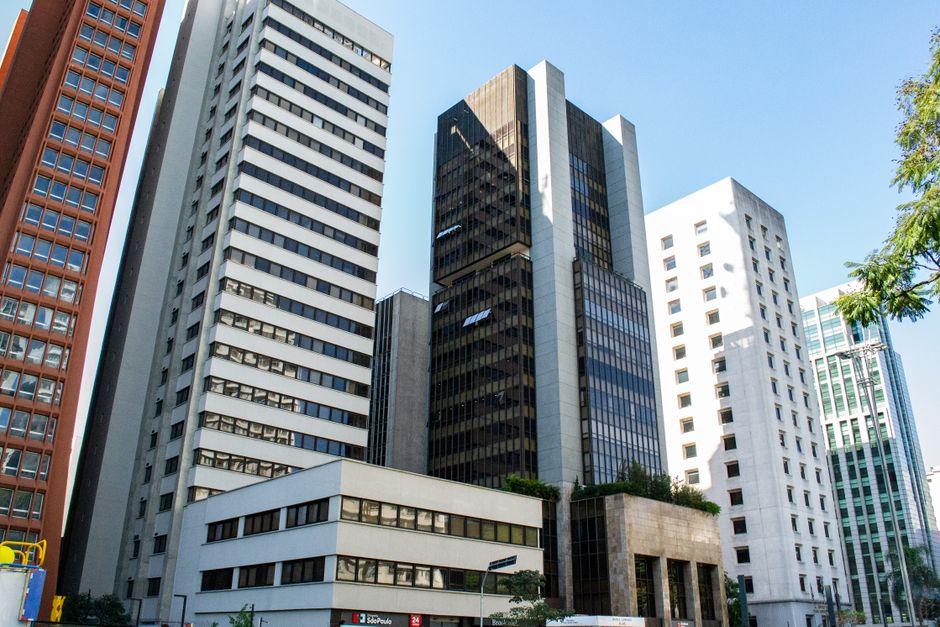
The numbers tell a sobering story. While unemployment in metropolitan São Paulo remains relatively contained at 6.8 percent, wage growth has stalled—real wages in the service sector, which employs nearly 40 percent of the city's workforce, have contracted by 2.1 percent year-on-year, according to recent data from the Fundação Getúlio Vargas. For workers in Pinheiros and Vila Mariana, where office parks dominate the skyline, corporate cost-cutting has translated into hiring freezes and departmental consolidations.
The technology sector, once a beacon of opportunity in areas like Berrini and Paulista Avenue, is experiencing particular turbulence. Major software development and fintech companies have announced workforce reductions totalling roughly 8,000 positions since January. The shift reflects both global headwinds—international investors remain cautious—and local pressures, as companies increasingly relocate backend operations to lower-cost jurisdictions.
Manufacturing remains under strain. Industrial zones in the Greater ABC region, historically the city's employment engine, continue shedding jobs as factories modernise or move production elsewhere. The automotive supply chain, which supports tens of thousands of families from Santo André to Guarulhos, faces particular uncertainty amid the global transition to electric vehicles.
Middle-class professionals are voting with their feet. Recruitment agencies report a 23 percent year-on-year increase in enquiries from São Paulo residents seeking positions in Rio de Janeiro, Belo Horizonte, and smaller emerging tech hubs. The brain drain is most acute among engineers, product managers, and data specialists—precisely the talent pools São Paulo's knowledge economy depends on.
The hospitality and retail sectors, which buoyed employment during pandemic recovery, are reaching saturation. Downtown revitalisation efforts around Luz and the Republic have created some positions, but these tend toward lower-wage service roles rather than the professional opportunities the city needs.
For policy makers, the challenge is acute. Without renewed private investment or government intervention in workforce development, São Paulo risks entering a self-reinforcing cycle: fewer quality jobs drive talented workers elsewhere, which further dampens business confidence and hiring intentions. The coming months will be decisive in determining whether the city can reverse this trajectory or whether 2026 marks the beginning of a longer, more painful adjustment.
This article was compiled by AI and screened before publishing. See our editorial standards.
How does this story make you feel?
Spread the word
About this article
Published by The Daily São Paulo
Daily brief
Free, in your inbox before 7am. Weekdays.
More in Business