Fintech São Paulo: How CapitalFlow Democratizes Investing
São Paulo fintech platform offers micro-investments for middle-class Brazilians facing rising costs. How one Vila Mariana startup is reshaping wealth-building access.
São Paulo fintech platform offers micro-investments for middle-class Brazilians facing rising costs. How one Vila Mariana startup is reshaping wealth-building access.
Listen to this article · 3:46
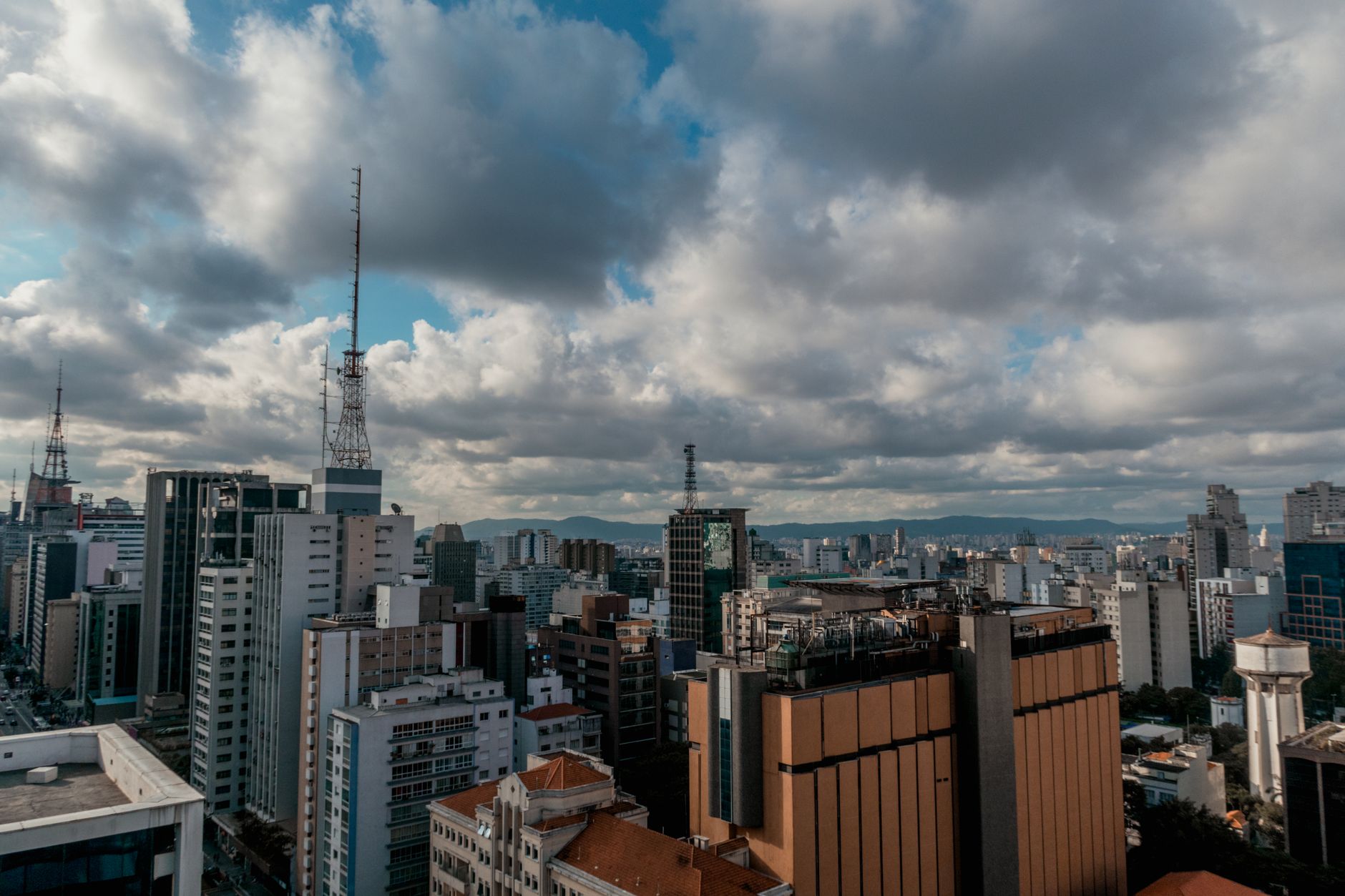
On a quiet corner of Avenida Paulista, near the entrance to Parque Trianon, the offices of CapitalFlow reflect the new face of São Paulo's financial services sector. What started in 2021 as a modest operation in Vila Mariana has grown into one of the city's most talked-about fintech ventures, offering micro-investment products designed specifically for São Paulo's squeezed middle class.
The platform's expansion comes at a critical moment. São Paulo's cost of living has surged 18% over the past three years, according to data from the Fundação Instituto de Pesquisas Econômicas (Fipe). A two-bedroom apartment in Pinheiros now commands average rents above R$3,500 monthly, while grocery prices in the Zona Oeste have climbed steadily. For many working professionals, traditional investment vehicles feel impossibly distant.
CapitalFlow changed that calculus. By allowing investors to begin with as little as R$50—a fraction of what conventional brokerage firms demand—the platform has attracted over 180,000 users in greater São Paulo alone. The majority are professionals earning between R$3,000 and R$8,000 monthly, demographics historically excluded from wealth-building opportunities.
The company's success reflects broader shifts in how São Paulo's residents approach financial resilience. Monthly active users have grown 34% year-on-year, with particular strength in Zona Leste neighbourhoods and suburbs like Santo André and São Bernardo do Campo, where traditional banking infrastructure remains thin.
Beyond the numbers lies a strategic insight: São Paulo's middle class is hungry for alternatives. Real wages have stagnated even as property costs and education expenses—particularly for international school fees in areas like Morumbi—have climbed relentlessly. CapitalFlow's diversified portfolio options, including fixed-income instruments and emerging market ETFs, offer a counterweight to inflation that savings accounts simply cannot match.
The fintech's trajectory mirrors São Paulo's broader economic maturation. The city remains Brazil's undisputed financial capital, yet its sophistication extends increasingly beyond Avenida Paulista's glass towers. Entrepreneurs in Vila Mariana, Itaim Bibi, and Brooklyn (the burgeoning tech hub near Rua Augusta) are building solutions tailored to local realities—not imported wholesale from São Francisco or Manhattan.
As geopolitical uncertainty and currency volatility continue reshaping investment landscapes globally, São Paulo's fintech innovators are proving that proximity to problems yields better solutions. CapitalFlow's expansion into credit products and retirement planning suggests the company understands something fundamental: São Paulo's future prosperity depends not on waiting for traditional finance to adapt, but on building alternatives that serve the city's actual residents.
This article was compiled by AI and screened before publishing. See our editorial standards.
How does this story make you feel?
Spread the word
About this article
Published by The Daily São Paulo
Daily brief
Free, in your inbox before 7am. Weekdays.
More in Business