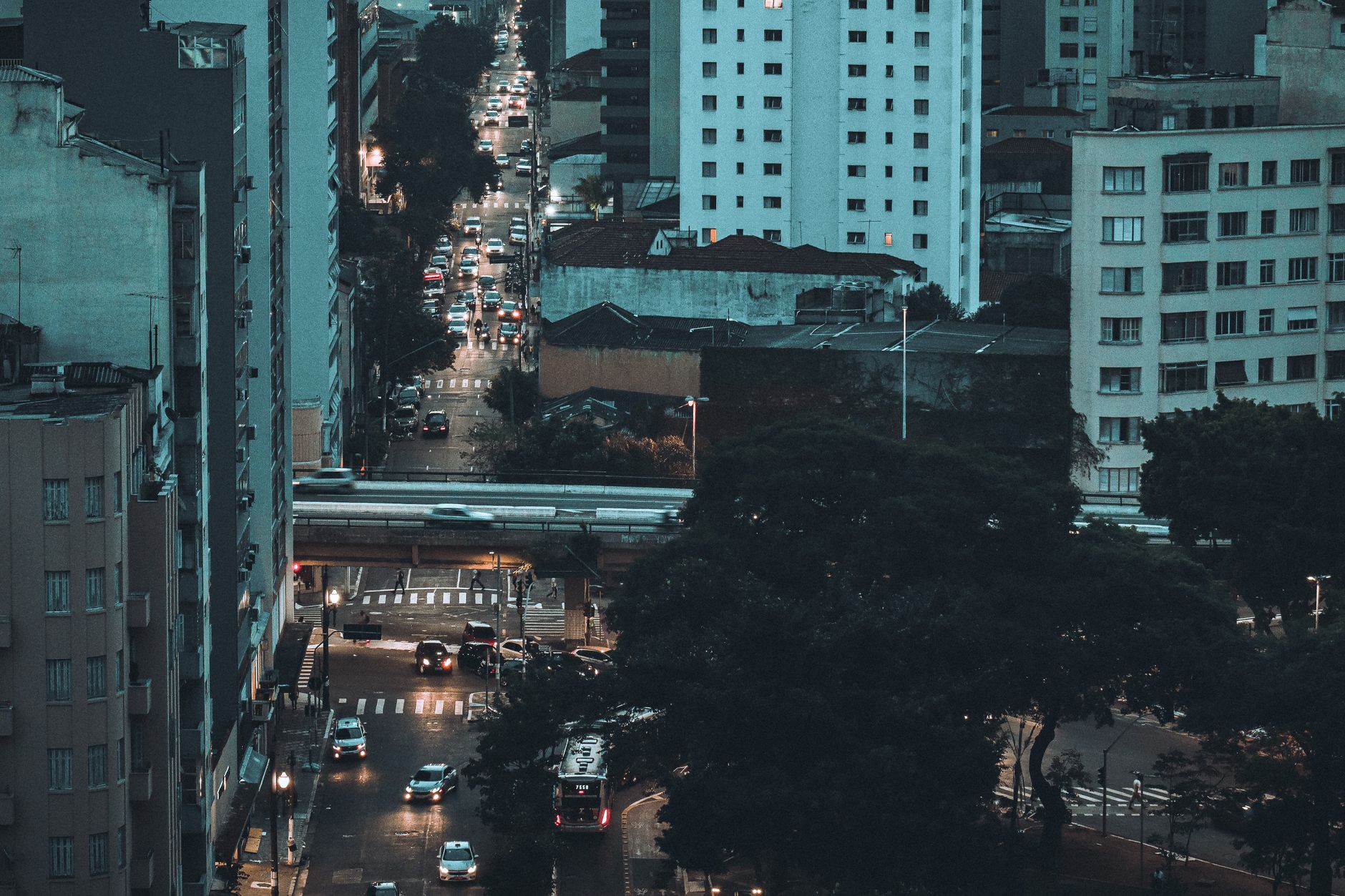
Global headwinds force São Paulo exporters to reshape strategies mid-year
Geopolitical tensions, currency volatility, and protectionist policies are forcing São Paulo's exporters and logistics firms to radically rethink their strategies mid-year.
Geopolitical tensions, currency volatility, and protectionist policies are forcing São Paulo's exporters and logistics firms to radically rethink their strategies mid-year.
Listen to this article · 3:37
The energy inside the São Paulo Chamber of Commerce on Rua Boa Vista feels different these days. Where conversations once focused on expansion into new markets, they now centre on survival strategies. The city that has long served as Brazil's commercial nerve centre is grappling with a perfect storm of international trade challenges that show no sign of abating as we move through 2026.
The numbers tell a sobering story. Year-to-date export volumes from the greater São Paulo region have contracted 8.3 per cent compared to the same period last year, according to preliminary data from SECEX. For logistics operators clustered around the CEAGESP market district and the industrial zones of the ABC region, the squeeze is palpable. Freight forwarding companies report that shipping containers destined for North American ports now face unpredictable tariff schedules, while the traditional transatlantic corridor has become a minefield of regulatory uncertainty.
Currency instability exacerbates the problem. The Brazilian real has swung wildly against the dollar and euro, making forward contracts risky and long-term planning nearly impossible. A mid-sized manufacturer in Santo André told colleagues at a recent business breakfast in Pinheiros that price negotiations with European clients now include clauses allowing quarterly adjustments—something unthinkable two years ago.
Geopolitical fragmentation is reshaping supply chains in real time. The Middle East tensions have made the Strait of Hormuz route unreliable, forcing São Paulo's petrochemical and machinery exporters to seek alternative shipping lanes at significantly higher costs. Meanwhile, stricter immigration enforcement in multiple destinations has disrupted the movement of technical staff and business travellers, complicating the on-site negotiations that underpin major contracts.
The crisis extends beyond traditional exporters. São Paulo's sophisticated services sector—law firms, consulting groups, and financial advisory houses concentrated in the Faria Lima corridor—are watching as cross-border deal flow slows. Banking sources suggest M&A activity in the first half of 2026 ran roughly 25 per cent below the five-year average.
Yet there are glimmers of adaptation. Some companies are doubling down on intra-regional trade within South America, shortening supply chains and reducing exposure to volatile long-haul shipping. Others are exploring nearshoring opportunities, particularly in sectors like electronics and automotive components.
The consensus among São Paulo's business leadership is clear: this is not a temporary correction. The city's traders and manufacturers must accept a fundamentally more fragmented, less predictable global marketplace as their operating reality.
This article was compiled by AI and screened before publishing. See our editorial standards.
How does this story make you feel?
Spread the word
About this article
Published by The Daily São Paulo
Daily brief
Free, in your inbox before 7am. Weekdays.
More in Business