Independent Restaurants Reshape São Paulo, Driving Up Prices Across Neighborhoods
As independent restaurants reshape how the city eats, consumers face a new economic reality—higher prices, fewer chains, and a neighbourhood-by-neighbourhood divide.
As independent restaurants reshape how the city eats, consumers face a new economic reality—higher prices, fewer chains, and a neighbourhood-by-neighbourhood divide.
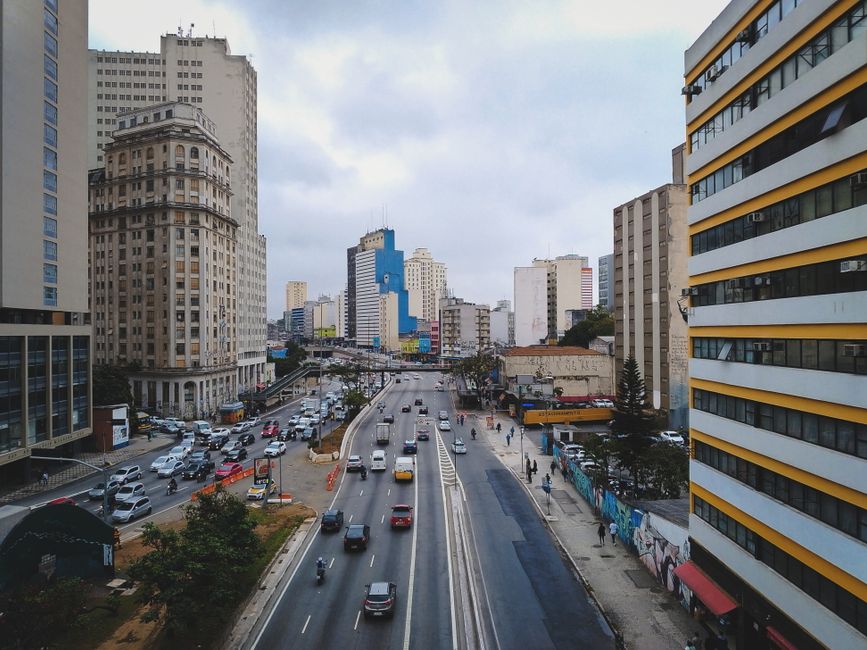
Walk down Rua Oscar Freire in Pinheiros or along Avenida Brasil in Vila Madalena, and you'll notice something has shifted fundamentally in how São Paulo feeds itself. The independent restaurant boom sweeping the city's neighbourhoods isn't just a culinary story—it's reshaping what residents actually pay for lunch and dinner, and which parts of town thrive while others struggle.
The numbers tell a clear story. Over the past two years, small independent establishments have grown 34 percent in São Paulo's core districts, according to data from the São Paulo Chamber of Commerce, while casual dining chains have contracted by nearly 12 percent. This democratisation of the restaurant scene sounds romantic until you're looking at menu prices: a casual lunch at an independent boteco in Vila Mariana now averages R$65-85, up from R$48 just three years ago. Chains still undercut this significantly, meaning middle-income residents face real choices about where they can afford to eat regularly.
The shift has created stark geographic divides. Neighbourhoods like Consolação, Pinheiros, and Vila Madalena have seen explosive growth in craft food concepts, natural wine bars, and chef-driven establishments. Meanwhile, areas further out—Tatuapé, Itaquera, São Miguel Paulista—have seen fewer new restaurant investments, even as traditional chains close. When a neighbourhood loses its casual dining options without gaining new independent spots, residents lose affordability.
Hospitality employment tells another story entirely. While restaurant openings have accelerated, workforce instability has worsened. Turnover in São Paulo's food service sector hit 48 percent last year, the highest in a decade, driven by wage stagnation and intensified working conditions at smaller establishments. This affects service quality and availability—many restaurants in Bom Retiro and Brás now operate reduced hours because they can't maintain full staffing.
For everyday residents, this means three concrete realities. First, expect to pay premium prices if you want to dine out in central neighbourhoods. Second, your neighbourhood's food landscape depends heavily on gentrification patterns—some areas are being completely remade while others are left behind. Third, when restaurants close or reduce hours due to labour shortages, your local dining options actually shrink despite the headline growth.
The city's hospitality sector isn't dying—it's transforming. But that transformation is unequal, expensive, and increasingly concentrated in already-affluent pockets of the city. Understanding this matters as São Paulo residents decide where and how often they can afford to eat out.
This article was compiled by AI and screened before publishing. See our editorial standards.
How does this story make you feel?
Spread the word
About this article
Published by The Daily São Paulo
Daily brief
Free, in your inbox before 7am. Weekdays.
More in Business