Remote Work Reshapes São Paulo Job Market, Empties Downtown Towers
As tech workers escape the commute from the suburbs, companies are downsizing central district real estate while competition for talent intensifies across Brazil's largest metro.
As tech workers escape the commute from the suburbs, companies are downsizing central district real estate while competition for talent intensifies across Brazil's largest metro.
Listen to this article · 3:52
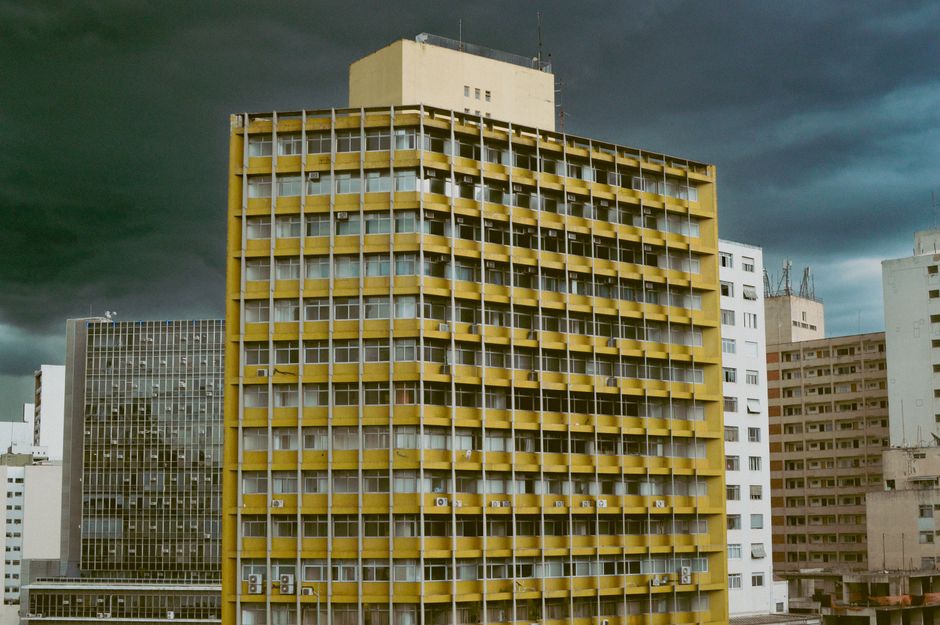
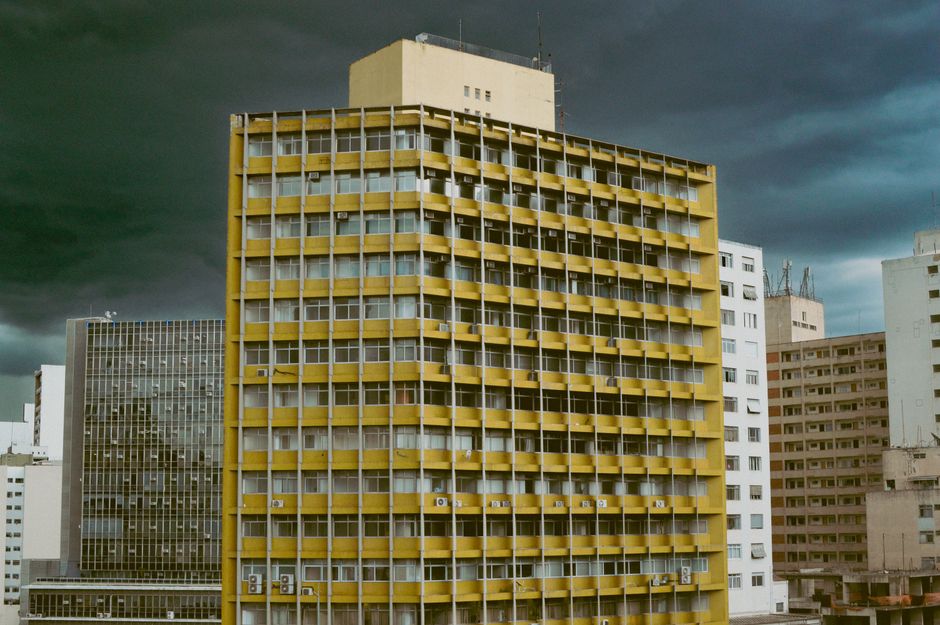
The transformation is visible in the stillness of Avenida Paulista on Wednesday afternoons. Once a magnet for ambitious professionals cramped into glass towers, the avenue's office vacancy rate has climbed to 18 percent—the highest in a decade—as companies rethink their real estate footprint in the post-pandemic era.
For São Paulo's job market, the shift represents a fundamental realignment. Three years ago, working from home was a pandemic concession. Today, it is reshaping where talent settles, how much companies spend on office space, and which neighbourhoods are thriving or declining as employment hubs.
The data tells a striking story. According to recruitment firm Michael Page's latest Brazilian talent survey, 67 percent of São Paulo professionals now work hybrid or fully remote arrangements. Meanwhile, commercial property leasing in Centro has contracted by 22 percent since 2023, with major financial services firms reducing footprints in the Cidade Vella neighbourhood. Conversely, residential areas in Pinheiros and Vila Madalena—long commuter neighbourhoods—are experiencing apartment rental inflation of 8-12 percent annually as workers seek proximity to cafés and co-working spaces rather than corporate headquarters.
The employment implications are profound. Companies no longer compete primarily on their Central district address. Instead, they battle for talent by offering flexibility, career development, and competitive salaries that reflect a wider geographic talent pool. A software engineer in Campinas or Santos can now credibly pursue roles at São Paulo firms without relocating—a development that has suppressed downtown wage premiums while intensifying competition across the metro region.
Recruitment agencies report longer hiring cycles. Employers are casting wider nets, interviewing candidates across São Paulo state rather than limiting searches to those willing to commute daily to Avenida Paulista or Rua Iguatemi. This has created opportunities for skilled workers in satellite cities but has also commoditized talent in traditional corporate sectors, where salary growth has stalled.
Meanwhile, a secondary job market is emerging in residential neighbourhoods. Coworking spaces around Rua Oscar Freire and Avenida Brasil are proliferating, attracting freelancers, startups, and remote workers seeking professional environments without long commutes. Commercial rents in these pockets have climbed 15 percent this year alone.
The question now is whether this shift is temporary or permanent. If remote work norms harden—as recent surveys suggest—São Paulo faces a reckoning: downtown office towers designed for 2015 workforce patterns will struggle to find tenants, while suburban and neighbourhood-based commercial districts will boom. The city's job market, once concentrated and hierarchical, is dispersing. Opportunity remains abundant, but the traditional ladder has become a more scattered landscape.
This article was compiled by AI and screened before publishing. See our editorial standards.
How does this story make you feel?
Spread the word
About this article
Published by The Daily São Paulo
Daily brief
Free, in your inbox before 7am. Weekdays.
More in Business