Global Tensions Force São Paulo Traders to Rebuild Supply Chains
From the Strait of Hormuz to Venezuelan migration, international crises are forcing São Paulo's exporters and importers to rethink supply chains and operating costs in real time.
From the Strait of Hormuz to Venezuelan migration, international crises are forcing São Paulo's exporters and importers to rethink supply chains and operating costs in real time.
Listen to this article · 3:46
A container ship sits idle at Santos Port on a Tuesday morning. The vessel's captain waits for clarity on Iranian sanctions before proceeding through the Strait of Hormuz—a detour that could add $80,000 to shipping costs and three weeks to delivery schedules. For textile manufacturers clustered around Bom Retiro and Brás, the scenario is no longer theoretical. It's immediate.
São Paulo's trading community is learning a hard lesson this year: the global context is no longer background noise. It's operational reality. Political upheaval in Iran, the aftershocks of Venezuelan seismic disaster disrupting regional supply routes, and evolving U.S. trade postures are forcing thousands of Brazilian businesses to recalculate margins, renegotiate contracts, and sometimes abandon markets altogether.
"We're seeing real changes in freight rates and insurance costs," says the operations manager at a mid-sized exporter based in the Vila Mariana district, speaking on condition of anonymity. "What we budgeted six months ago no longer holds."
The mathematics are brutal. Shipping costs to the Middle East—historically one of São Paulo state's key export markets for machinery, chemicals, and agricultural products—have increased 15-20 percent since tensions escalated. A 40-foot container that cost $3,200 in January now routinely reaches $3,900. For companies operating on 5-8 percent margins, this represents an existential squeeze.
The Venezuelan crisis compounds matters. The earthquake and subsequent geopolitical instability have disrupted the normally predictable flow of goods through northern South American ports. Brazilian companies that previously routed shipments through Venezuelan intermediaries now face longer delays through alternative Caribbean routes—if they access them at all.
Meanwhile, the influx of Venezuelan migrants into South Africa has triggered anti-foreigner protests that serve as a cautionary tale for firms with regional ambitions. São Paulo's business establishment watches nervously. The city already hosts substantial immigrant communities; any correlation between migration patterns and social instability abroad registers instantly in risk assessments.
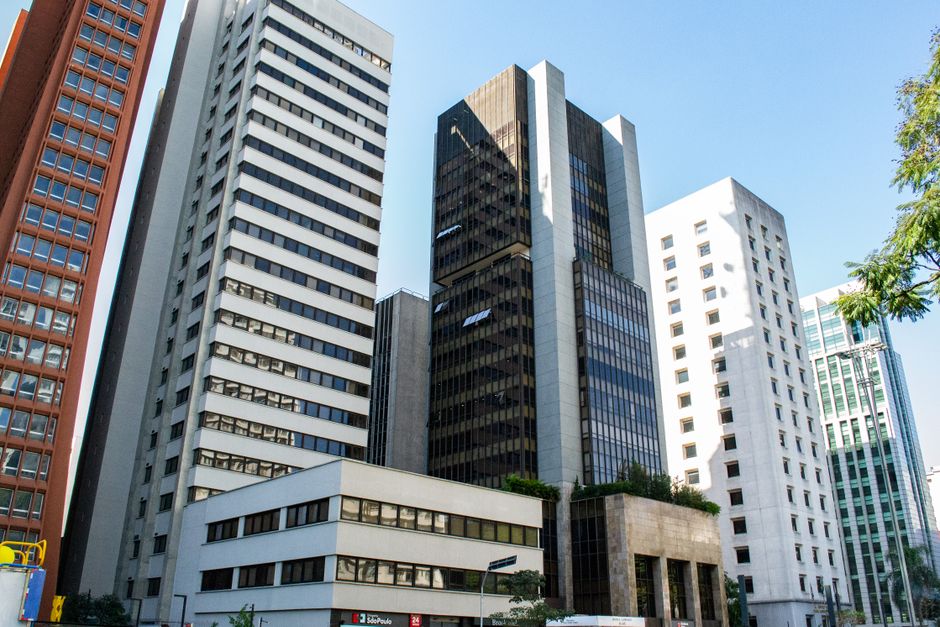
Yet there are counterarguments. The tumult is also creating opportunities. Companies that can navigate complexity—securing alternative insurance, building redundancy into supply chains, cultivating new markets—are gaining competitive advantage. Several firms based around Avenida Paulista are now exploring African and Southeast Asian routes previously considered marginal.
The lesson is clear: São Paulo's economy, despite its continental scale, cannot be ringfenced from global volatility. The next board meeting for any trading company must now begin with a geopolitical briefing.
This article was compiled by AI and screened before publishing. See our editorial standards.
How does this story make you feel?
Spread the word
About this article
Published by The Daily São Paulo
Daily brief
Free, in your inbox before 7am. Weekdays.
More in Business