São Paulo's startup scene faces perfect storm of funding drought, talent flight and currency headwinds in 2026
The city's innovation districts are confronting their toughest year yet, as venture capital dries up and ambitious founders look abroad.
The city's innovation districts are confronting their toughest year yet, as venture capital dries up and ambitious founders look abroad.
Listen to this article · 3:31
The gleaming co-working spaces lining Rua Augusta and the Vila Madalena district tell a story of transformation that once seemed unstoppable. But as 2026 unfolds, São Paulo's celebrated startup ecosystem is grappling with converging pressures that have fundamentally altered the investment landscape.
Venture capital funding into Brazilian startups has contracted sharply this year, with early-stage rounds becoming increasingly difficult to secure. Founders across the city's key innovation hubs—from the Faria Lima financial corridor to the creative enclaves around Pinheiros—report that Series A financing has become nearly impossible to obtain without offshore backing. The real's continued volatility against the dollar has compounded the problem, making dollar-denominated debt more expensive and foreign investors skittish about currency risk.
The talent drain represents perhaps the more immediate challenge. Experienced engineers and product managers who built São Paulo's reputation for tech excellence are departing for Miami, Singapore, and European hubs at unprecedented rates. Recruitment firms report that tech salaries in the city, while competitive by Brazilian standards, lag significantly behind international compensation packages—a gap widened by exchange rate fluctuations that make offshore offers roughly 40 percent more attractive than equivalent local positions.
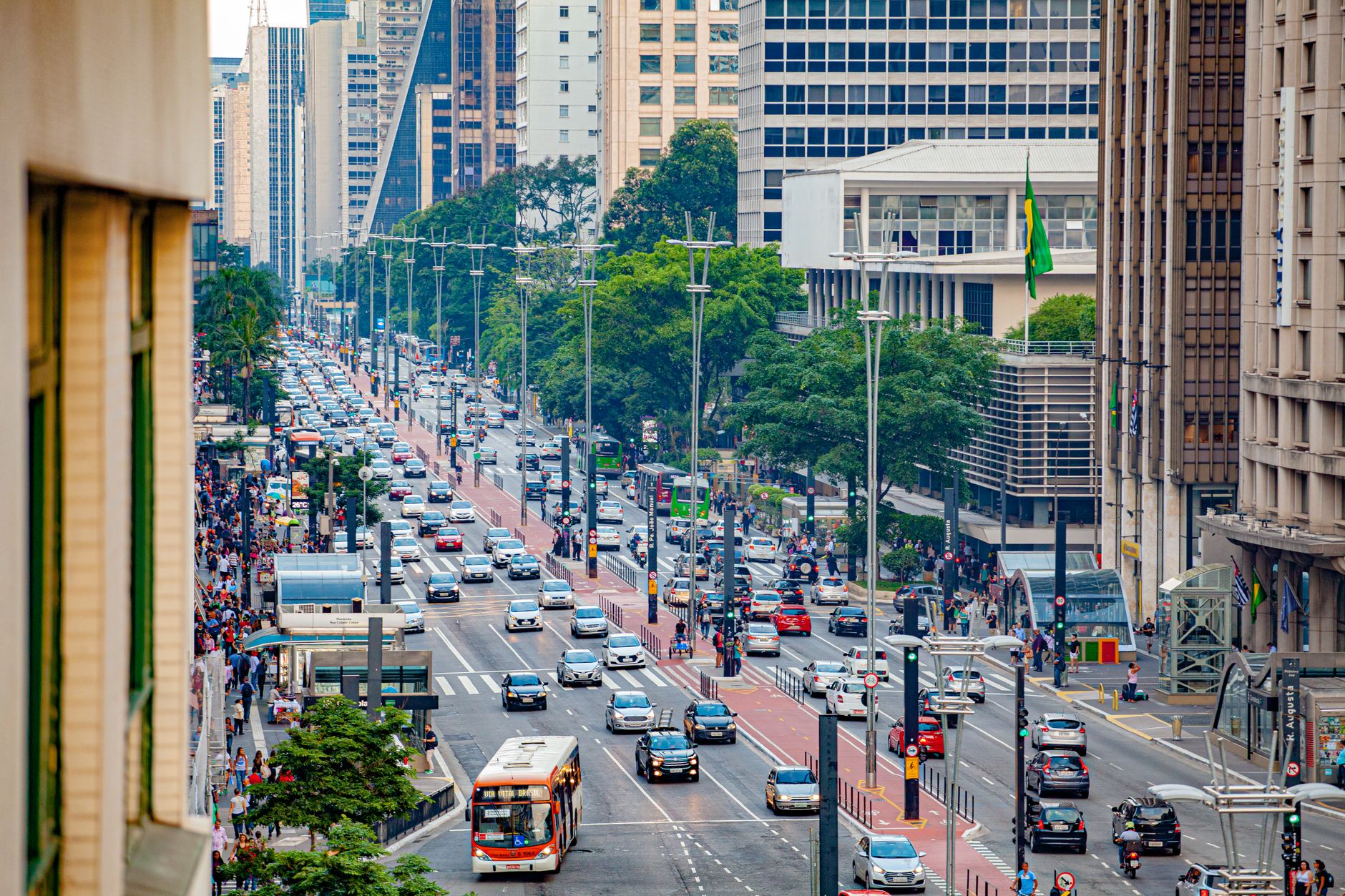
Infrastructure gaps compound these difficulties. Internet reliability outside downtown areas remains spotty, and real estate costs in desirable neighbourhoods have surged. Monthly office rent in premium spaces near Avenida Paulista now exceeds R$400 per square metre—pricing that crushes margins for cash-strapped early-stage companies.
The Brazilian Securities Commission's stricter regulatory stance on fintech and digital asset companies has also dampened enthusiasm. Multiple payments platforms and blockchain ventures once anchored in São Paulo have relocated or shuttered operations, citing compliance uncertainties.
Yet there are pockets of resilience. Agritech companies, leveraging Brazil's agricultural prowess, continue attracting international investment. Healthcare software focused on underserved markets shows promise. And some founders argue that the current contraction may ultimately strengthen the ecosystem by eliminating speculative ventures that consumed capital without generating sustainable businesses.
The question facing São Paulo's innovation community is whether these headwinds prove temporary or signal a fundamental shift in the city's competitive position. The answer will likely determine whether 2026 marks a pause or a turning point.
This article was compiled by AI and screened before publishing. See our editorial standards.
How does this story make you feel?
Spread the word
About this article
Published by The Daily São Paulo
Daily brief
Free, in your inbox before 7am. Weekdays.
More in Business