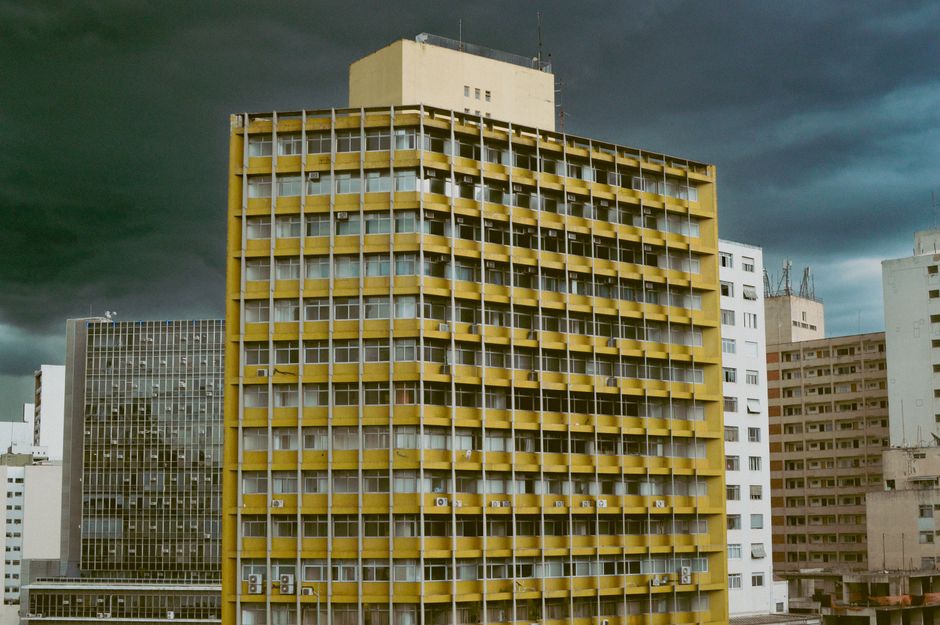
São Paulo's startup scene faces perfect storm of headwinds as 2026 proves brutal for innovation funding
Rising interest rates, currency volatility, and brain drain to the US threaten the city's emergence as a regional tech hub.
Rising interest rates, currency volatility, and brain drain to the US threaten the city's emergence as a regional tech hub.
Listen to this article · 3:34
São Paulo's vaunted startup ecosystem, once heralded as Latin America's most promising innovation corridor, is confronting a harsh reality in 2026: founders are struggling to raise capital, operating costs are soaring, and talent retention has become an acute crisis.
The numbers paint a sobering picture. Venture capital inflows to São Paulo-based startups fell 34 percent in the first half of 2026 compared to the same period last year, according to preliminary data from the Brazilian Private Equity & Venture Capital Association. The decline follows Brazil's central bank decision to maintain the Selic rate at 10.5 percent, a decision that has rippled through investment portfolios and made early-stage funding increasingly scarce.
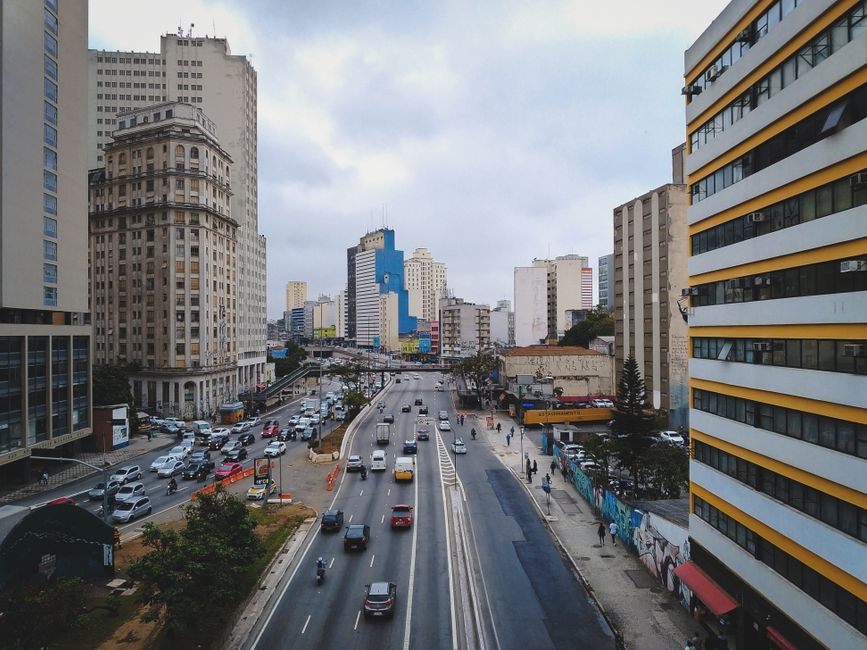
The impact reverberates across the city's innovation districts. In Pinheiros, where accelerators and co-working spaces line Rua Bandeira and surrounding avenues, the mood has shifted from euphoria to caution. Office vacancy rates in premium innovation hubs have climbed to 18 percent, up from 12 percent twelve months ago. Startups that secured funding in 2024 and 2025 now face an unfamiliar challenge: extending runways without fresh capital.
"We're seeing Series A rounds collapse or shrink dramatically," says one founder of a fintech platform operating from a shared workspace near Vila Madalena, speaking on condition of anonymity. "Investors who were aggressive eighteen months ago are now extremely selective."
The currency headwind adds another layer of complexity. The real's weakness against the dollar—trading near 5.2 to the US dollar in late June—makes importing hardware and software more expensive while making Brazilian talent increasingly attractive to Silicon Valley recruiters. Seasoned engineers and product managers are departing for positions in the United States, where cryptocurrency-fueled wealth creation and looser regulatory environments are creating lucrative opportunities unavailable at home.
Local infrastructure, once a source of optimism, shows signs of strain. Bandwidth constraints and aging electrical grids in some parts of the startup corridor have become operational headaches. Meanwhile, regulatory uncertainty around data privacy and cryptocurrency oversight continues to muddy the waters for founders building financial technology and blockchain solutions.
Industry observers acknowledge that consolidation may be inevitable. Weaker startups will likely be acquired or shuttered, while well-funded outliers press forward. But for a city that positioned itself as a gateway for innovation in emerging markets, 2026 represents a sobering recalibration—and a test of whether São Paulo's ecosystem has the resilience to weather extended headwinds.
This article was compiled by AI and screened before publishing. See our editorial standards.
How does this story make you feel?
Spread the word
About this article
Published by The Daily São Paulo
Daily brief
Free, in your inbox before 7am. Weekdays.
More in Business