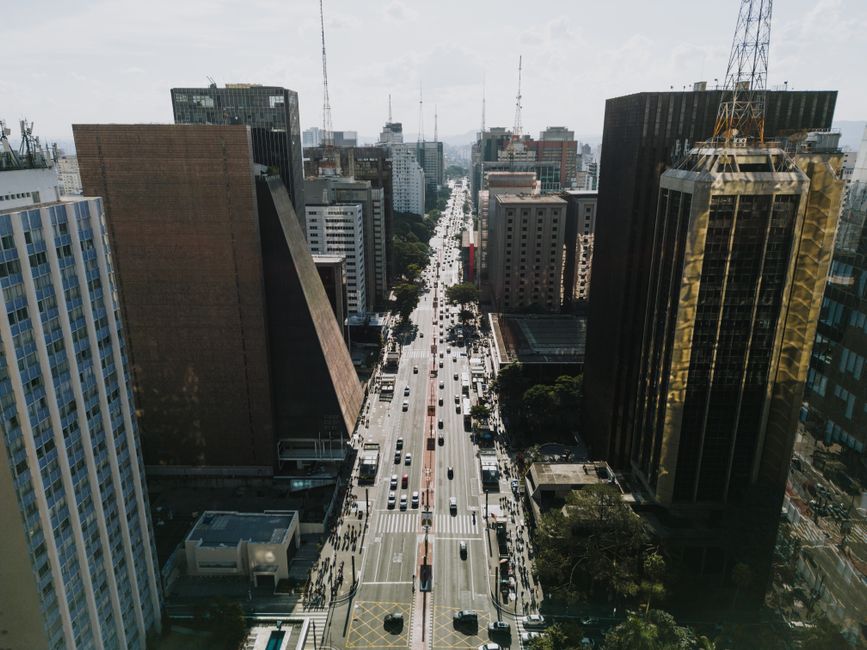
The buzzing restaurant scene along Rua Oscar Freire and the booming hotel quarter near Avenida Paulista are facing their toughest year in recent memory. Business owners across São Paulo's retail, hospitality and food sectors are grappling with a convergence of headwinds that threaten both established institutions and newly opened ventures.
Labour costs have become the primary pain point. Hospitality workers—from kitchen staff to front-of-house personnel—are demanding wage increases to match inflation that has outpaced overall GDP growth. Industry sources suggest labour now consumes 35 to 40 percent of operational budgets at mid-range establishments, up from 28 to 32 percent just three years ago. For boutique hotels in Vila Madalena and Vila Mariana, the pressure is even more acute, with skilled workers increasingly scarce as migration patterns shift.
Energy expenses compound the crisis. Electricity tariffs in São Paulo have climbed steeply through mid-2026, while natural gas costs remain volatile. Restaurants operating multiple service hours—particularly those in Pinheiros with open kitchens and climate-controlled dining spaces—report energy bills doubling year-over-year. Smaller establishments operating on tight margins simply cannot absorb such shocks.
Consumer behaviour is also shifting. Middle-class Paulistas are dining out less frequently, gravitating toward casual chains and delivery services rather than seated restaurants. Luxury segments remain resilient, but mid-market establishments face a squeeze. The proliferation of ghost kitchens and meal-delivery platforms has fragmented the traditional restaurant market, making it harder for brick-and-mortar venues in neighbourhoods like Consolação and Vila Olímpia to maintain consistent customer flow.
Supply chain disruptions persist, particularly for imported ingredients and specialty equipment. Hospitality sector associations report sourcing costs for wine, specialty cheeses, and kitchen machinery remain elevated due to currency fluctuations and global logistics constraints.
Tourism remains a bright spot—São Paulo attracted over 15 million visitors in 2025—but domestic consumption, which represents roughly 60 percent of hospitality revenue, continues to weaken. Hotels are responding by adjusting room rates and diversifying revenue through events and conference services, but the margins remain compressed.
Industry observers note that 2026 is proving to be a year of consolidation rather than expansion. Smaller players lack the capital to weather extended downturns, while larger hotel chains and restaurant groups are better positioned to absorb losses. For São Paulo's fabled food and hospitality culture to remain vibrant, stakeholders say policy support and operational innovation are no longer optional luxuries—they are survival necessities.
This article was compiled by AI from the sources linked above and screened before publishing. See our editorial standards.