São Paulo's Business Class Faces a Shifting Market: What Companies Need to Know Right Now
Rising inflation, currency volatility, and changing consumer behaviour are reshaping investment strategies across Brazil's financial hub.
Rising inflation, currency volatility, and changing consumer behaviour are reshaping investment strategies across Brazil's financial hub.
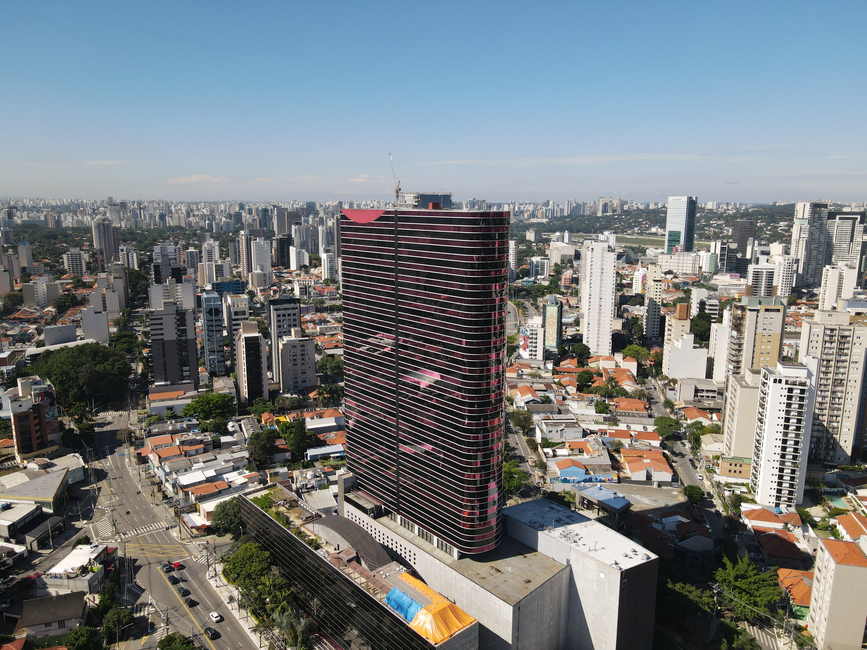
The corridors of Avenida Paulista are abuzz with cautious optimism these days, but beneath the surface, São Paulo's business community is grappling with a complex economic landscape that demands careful navigation. As we move through mid-2026, three critical trends are reshaping how companies—from startups in Vila Madalena to established firms in the Jardins district—must think about investment and operational costs.
First, inflation remains sticky. While Brazil's central bank has made progress on the monetary front, cost-of-living pressures continue to squeeze margins across retail, hospitality, and services sectors. Commercial rents in prime locations like Consolação and Pinheiros have stabilised after sharp increases, but labour costs keep climbing. A mid-level professional salary in São Paulo's financial services sector has risen roughly 8-10 percent year-on-year, outpacing many businesses' revenue growth. This is forcing executives to reconsider automation investments and workforce composition.
Second, currency movements are reshaping import-export dynamics. The real's recent fluctuations have created both opportunities and headaches for manufacturers and retailers dependent on imported goods. Companies sourcing from Asia or Europe face unpredictability; those positioned to export are seeing unexpected windfalls. Smart businesses are hedging aggressively, and demand for financial advisory services around currency risk has spiked noticeably among firms headquartered along Rua Augusta and around the B3 financial exchange.
Third—and perhaps most consequential—consumer behaviour is fragmenting. While affluent neighbourhoods like Higienópolis maintain spending power, middle-income earners across zones like Tatuapé and Penha are pulling back on discretionary purchases. E-commerce continues cannibalising traditional retail, even as logistics costs rise. This means businesses can no longer rely on one-size-fits-all strategies. Targeted, data-driven approaches to regional markets are no longer optional.
For investors, the message is clear: diversification matters more than ever. Real estate remains relatively stable, particularly mixed-use developments in regenerating areas, but equity markets demand selectivity. Companies with pricing power, efficient supply chains, and genuine innovation pipelines are attracting capital; those coasting on legacy business models are finding doors closing.
The São Paulo business community remains fundamentally resilient. But success in the next 18 months will belong to those who move decisively—monitoring cost structures, managing currency exposure, and understanding their customers' evolving priorities. The market is neither booming nor collapsing; it's demanding intelligence and agility. Those who deliver both will thrive.
This article was compiled by AI from the sources linked above and screened before publishing. See our editorial standards.
How does this story make you feel?
Spread the word
About this article
Published by The Daily São Paulo
Daily brief
Free, in your inbox before 7am. Weekdays.
More in Business