São Paulo's Tourism Sector Faces Perfect Storm of Headwinds in 2026
Rising costs, regional instability, and currency volatility are dampening visitor arrivals to Brazil's economic powerhouse just as recovery momentum was building.
Rising costs, regional instability, and currency volatility are dampening visitor arrivals to Brazil's economic powerhouse just as recovery momentum was building.
São Paulo's tourism industry, long positioned as a cornerstone of the city's economy, is confronting a convergence of challenges that threaten to derail its recovery trajectory in the second half of 2026. After a promising start to the year, hotel occupancy rates in the Zona da Luz and Centro have plateaued, while average daily rates have stagnated, signalling weakness in both domestic and international demand.
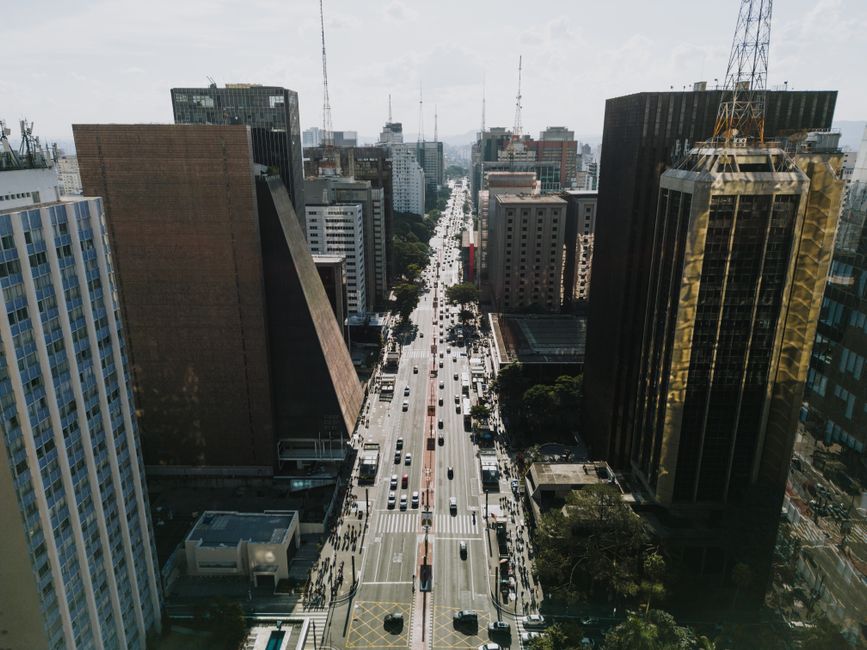
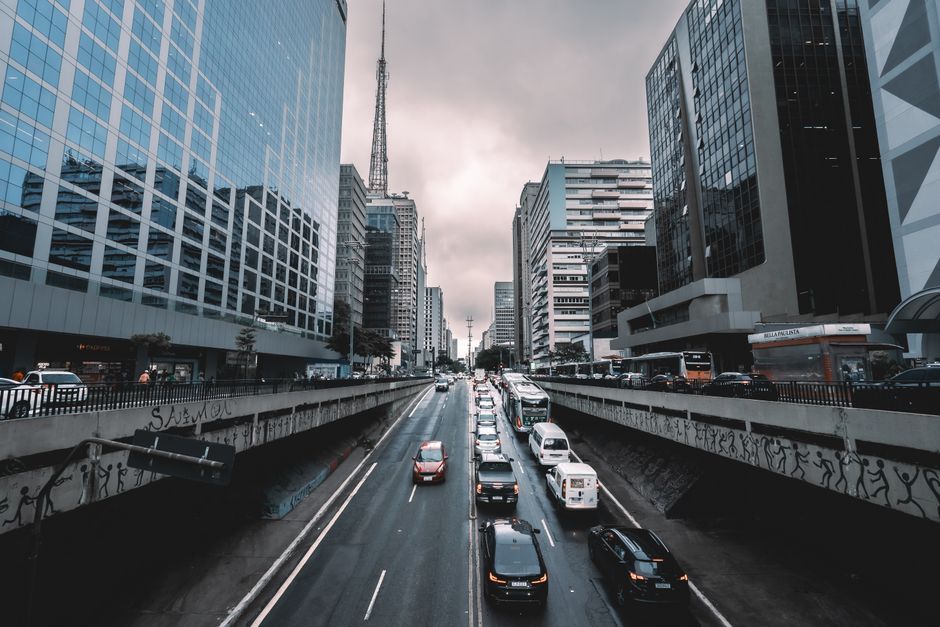
The Venezuelan crisis and broader regional instability have created a dampening effect on South American travel patterns. Tour operators report cancelled group bookings from neighbouring countries, with several major agencies along Avenida Paulista reporting 15-20 percent declines in regional package sales compared to the same period last year. International visitor numbers have similarly softened, with arrivals from North America and Europe down approximately 12 percent year-to-date, according to data from the São Paulo Convention & Visitors Bureau.
Currency volatility has emerged as a persistent headache. The real's fluctuations against the dollar have made São Paulo more expensive for foreign visitors while simultaneously squeezing margins for hospitality operators whose costs remain denominated in dollars. Premium hotels in the Jardins neighbourhood report that average room rates, adjusted for inflation, have effectively declined when converted to most international currencies, compressing profitability despite fuller occupancy books.
Infrastructure gaps continue to frustrate operators. While Congonhas and Guarulhos airports handle volume adequately, inefficient ground transportation—chronic traffic on the Imigrantes Highway and limited metro access to hospitality zones—discourages longer stays. Visitors increasingly complain about journey times between iconic neighbourhoods like Vila Mariana and Vila Madalena, undermining the city's positioning as a world-class destination.
Personnel costs represent another mounting pressure. Wage inflation in the hospitality sector, running above 8 percent annually, is forcing restaurant and hotel operators to reconsider staffing levels or raise prices—both commercially risky in a soft demand environment. Several mid-range establishments near Largo do Arouche have reduced service hours or consolidated operations.
Not all indicators are dire. Cultural tourism remains resilient, with institutions like MASP and Instituto Tomie Ohtake reporting steady visitation. Food tourism, anchored in neighbourhoods like Bom Retiro and Vila Madalena's growing restaurant scene, continues attracting upscale travellers. Yet these niche segments cannot offset broader softening in mass-market tourism, the sector's traditional volume engine.
Industry observers anticipate the second half of 2026 will reveal whether these headwinds prove temporary disruptions or signals of deeper structural challenges to the city's visitor economy.
This article was compiled by AI from the sources linked above and screened before publishing. See our editorial standards.
How does this story make you feel?
Spread the word
About this article
Published by The Daily São Paulo
Daily brief
Free, in your inbox before 7am. Weekdays.
More in Business