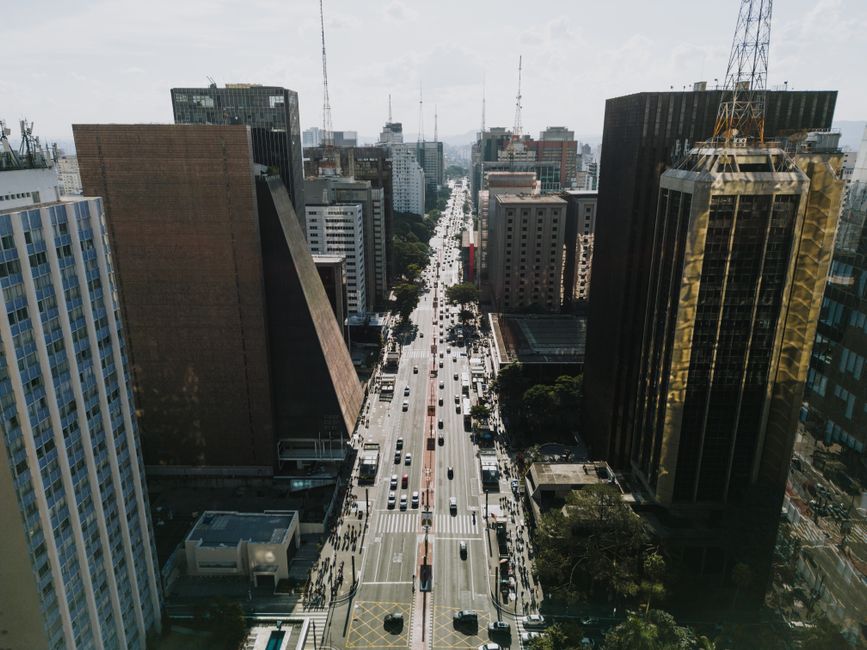
The optimism that characterised São Paulo's trading floors at the start of 2026 has given way to palpable anxiety. In the glass-and-steel towers along Avenida Paulista and within the bustling corridors of the São Paulo Stock Exchange in Centro, executives are grappling with a cascade of geopolitical headwinds that threaten to unravel years of carefully constructed international supply chains.
The escalating tensions between the United States and Iran—now poised for fresh talks in Qatar—have already sent shockwaves through Brazilian exporters. Insurance premiums for shipments transiting the Strait of Hormuz have climbed 35 percent since March, according to preliminary data from the Brazilian Foreign Trade Association (AEB). For companies like the exporters clustered in the industrial zones of São Bernardo do Campo and Guarulhos, already operating on thin margins, the added cost is becoming unbearable.
"We're seeing customers request alternative routing through the Suez Canal, but that adds three weeks to delivery times," explains the sentiment reverberating through chambers of commerce across the city. The typical container shipment from Santos port has become a logistical minefield, with costs for a 40-foot container to Europe rising from $2,800 in January to over $3,600 by June.
Compounding these maritime challenges, regional instability—particularly Pakistan's military operations affecting Afghanistan and ongoing tensions in the Middle East—threatens to disrupt air freight corridors. Guarulhos International Airport, São Paulo's primary cargo hub, has reported a 12 percent decline in international freight volume compared to last year, with airlines rerouting around conflict zones.
The trade wars show no sign of abating either. Import tariffs remain elevated, and businesses are uncertain whether the incoming U.S. administration will intensify protectionist measures. Brazilian textile manufacturers, concentrated in the ABC region, face particularly acute pressure as competition from Asian suppliers intensifies amid retaliatory tariffs that have squeezed market access.
Currency volatility compounds the misery. The Brazilian real's fluctuation against the dollar—swinging from 4.95 to 5.15 in recent months—makes pricing contracts a near-impossible exercise for exporters operating on predetermined margins.
Small and medium enterprises in neighbourhoods like Brás, traditionally dependent on imported raw materials, report postponing expansion plans. The Federation of Industries of the State of São Paulo (FIESP) warns that without stabilisation, the sector faces contraction. The question haunting São Paulo's trading community is no longer whether headwinds will ease, but how deep the downturn will cut.
This article was compiled by AI from the sources linked above and screened before publishing. See our editorial standards.