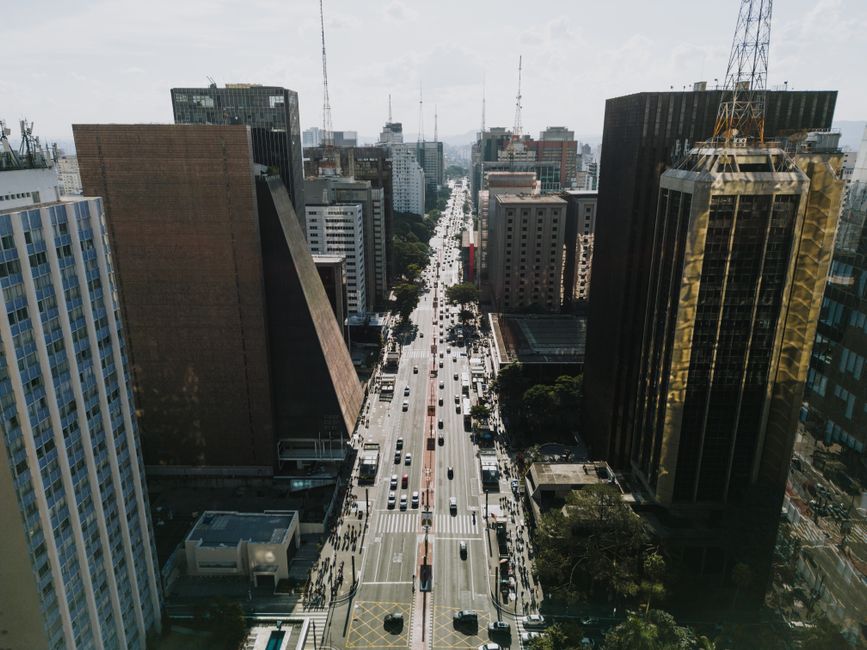
The gleaming co-working spaces along Rua Augusta and in the Vila Madalena innovation corridor are quieter these days. Desks sit empty at hubs like Plataforma C and other venture-backed accelerators that once thrummed with the energy of hundreds of bootstrapping founders. São Paulo's celebrated startup ecosystem—long positioned as Latin America's entrepreneurial heartland—is confronting a perfect storm of economic headwinds that threaten to derail years of momentum.
Venture capital deployment in São Paulo has contracted sharply this year, with local fund commitments falling approximately 40% compared to 2025, according to preliminary data from the Brazilian Private Equity and Venture Capital Association. A-round and Series B funding rounds that once landed between $2 million and $8 million are now struggling to close, forcing founders to extend runways and postpone hiring plans.
The trouble extends beyond capital scarcity. Operational costs in São Paulo's premium innovation districts have climbed steeply. Commercial rent in the Pinheiros neighbourhood—historically the epicentre of the city's tech scene—has surged past R$150 per square metre monthly, pricing out early-stage startups that cannot yet justify high overhead. Simultaneously, technology salaries have plateaued as companies freeze recruitment, making it harder for Brazilian startups to compete with multinational tech firms offering remote work arrangements tied to international salary benchmarks.
Perhaps most concerning is the brain drain. Interviews with accelerator directors and venture partners reveal a marked uptick in founders and senior technologists pursuing opportunities in Miami, Austin, and even Singapore. At least three notable proptech and fintech founders who built their initial user bases in São Paulo have relocated operations abroad in the past eighteen months, citing unstable regulatory environments and shrinking local investment pools.
Regulatory uncertainty compounds these pressures. Proposed changes to Brazil's tax treatment of venture investments, combined with lingering questions about crypto asset frameworks, have spooked institutional investors considering commitments to São Paulo-based vehicles. Meanwhile, established tech hubs in the Itaim Bibi district report rising tenant churn as companies consolidate operations or wind down.
Not all indicators are grim. Several deep-tech and agritech startups continue to attract international capital, and the municipal government's continued support for initiatives in the Vila Madalena cluster suggests policy backing remains. Yet venture partners working the circuit admit privately that the exuberance of recent years has given way to disciplined realism. For São Paulo's startup ecosystem, 2026 will likely be remembered less as a year of explosive growth than as a critical test of resilience.
This article was compiled by AI from the sources linked above and screened before publishing. See our editorial standards.