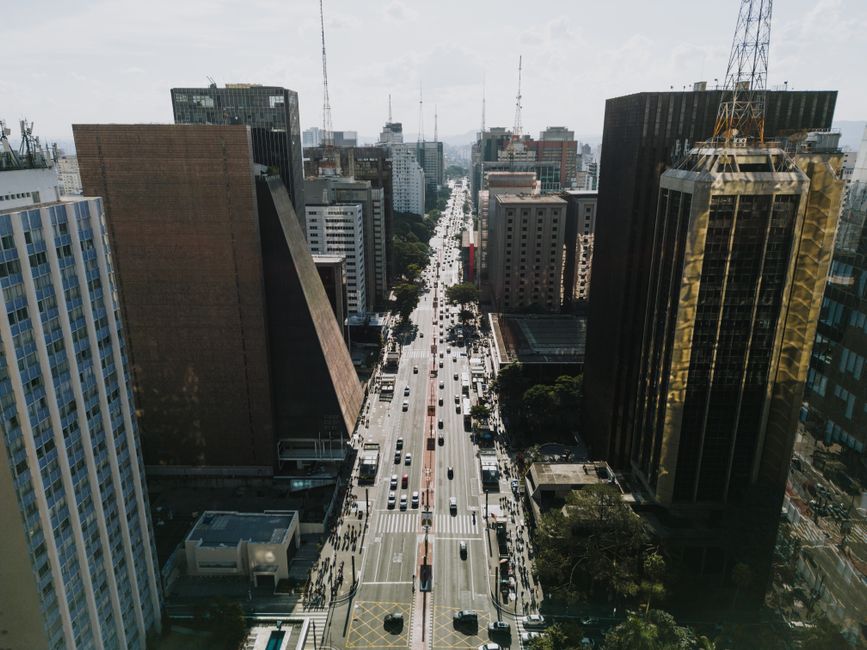
São Paulo's office market is undergoing its most significant transformation since the pandemic forced millions of workers home. For residents who don't own commercial property, the consequences are far more immediate than spreadsheets suggest—affecting where you eat, how much you pay for coffee, and which neighborhoods feel alive after dark.
The numbers tell a sobering story. Average commercial rents in traditional hubs like Avenida Paulista have compressed by roughly 12-15% since 2023, while secondary zones like Pinheiros and Vila Mariana have seen selective growth as companies seek flexibility and younger workforces. This migration isn't neutral. As anchor tenants abandon aging office towers in the Centre and Vila Mariana's corporate corridors, landlords face pressure to convert or downsize, reducing the service ecosystems that made these areas functional.
What this means practically: The corner bakery on Rua Oscar Freire that thrived on foot traffic from 2,000 daily office workers now serves perhaps 600. Building management companies contract. Lunch spots consolidate. Residential rents in these neighborhoods—which tracked commercial vitality—face downward pressure, though this benefit masks the loss of neighborhood vibrancy.
Simultaneously, emerging office clusters in the Oeste corridor (around Rua Funchal and Faria Lima's southern extension) are triggering rapid gentrification. New flex-office operators, targeting startups and mid-market firms, arrive alongside premium food halls and co-working amenities. Residential rents climb. Long-term residents find themselves priced out of areas suddenly deemed desirable by finance professionals.
The sustainability question looms largest. São Paulo has approximately 10 million square meters of office space citywide. With hybrid work entrenched and companies reassessing square footage per employee, some estimates suggest 15-20% of existing stock may never return to full occupancy. That vacant real estate—particularly aging Class B properties clustered in Vila Mariana and Consolação—represents both economic loss and a visual marker of urban decline that residents navigate daily.
For apartment hunters and renters, this creates a peculiar calculus. Neighborhoods near struggling office corridors offer better value but face service deterioration. Emerging zones promise dynamism but command premium prices. The safest bet remains mixed-use neighborhoods with residential density independent of office cycles—Vila Madalena, Perdizes, and parts of Zona Leste demonstrate resilience precisely because they don't depend on commercial tenants.
The São Paulo you navigate in 2026 is one where commercial real estate decisions, made in boardrooms you'll never enter, directly reshape which streets feel safe, which are worth the commute, and how much ordinary life costs.
This article was compiled by AI from the sources linked above and screened before publishing. See our editorial standards.