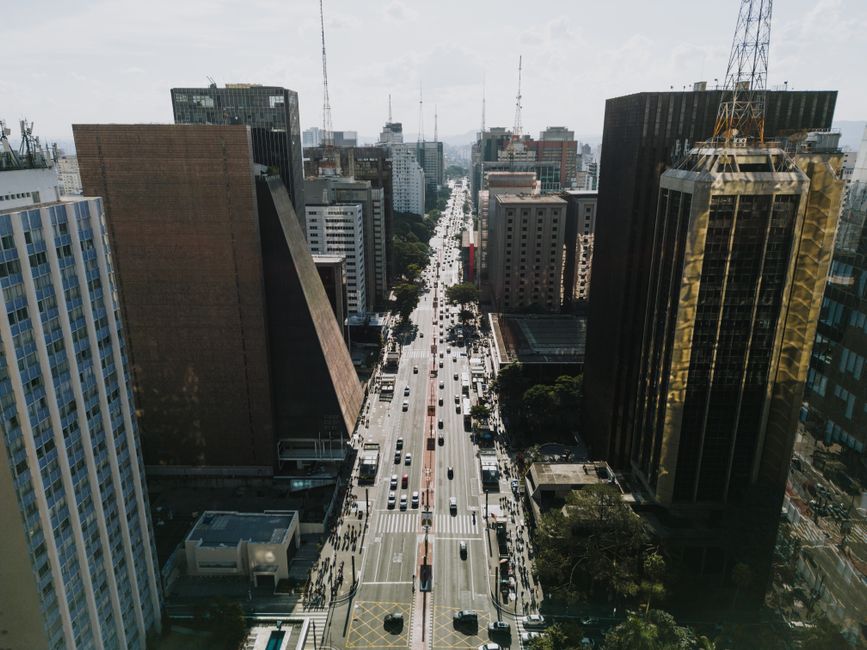
In a modest office overlooking Avenida Paulista, a São Paulo-born entrepreneur has quietly built one of Brazil's most promising personal finance platforms, offering middle-class residents a direct counter to the city's relentless inflation and stagnant wages. The venture, headquartered in the bustling Vila Mariana neighbourhood, represents a growing wave of local fintech innovation tackling what many Paulistas face daily: how to preserve purchasing power when the cost of living climbs faster than paycheques.
The timing could not be more acute. Consumer prices in São Paulo have surged 12.8% over the past eighteen months, with rent in desirable neighbourhoods like Pinheiros and Itaim Bibi now consuming 35-40% of professional salaries. Meanwhile, traditional savings accounts offer returns barely outpacing inflation. This gap has created fertile ground for financial innovation.
The platform combines automated investment tools with financial literacy programming—a combination that resonates particularly with São Paulo's young professionals and small-business owners navigating economic volatility. Users can allocate resources across diversified portfolios starting from just R$50, a deliberately low entry point designed for the city's squeezed middle class.
What distinguishes this venture from competitors is its hyperlocal approach. Rather than generic investment advice, the platform anchors guidance to São Paulo's specific economic realities: the tech sector boom in the Zona Sul, the real estate pressures in Vila Madalena, the entrepreneurial ecosystem around Rua Augusta. This granular understanding has attracted more than 180,000 active users since launch four years ago.
The business has also drawn attention from institutional investors. Recent funding rounds have valued the company at approximately R$420 million, positioning it among Brazil's most well-funded homegrown fintechs. Yet leadership has resisted pressure to relocate to São Paulo's traditional financial district or abandon its grassroots community-building ethos.
The venture's success illuminates a broader pattern: São Paulo's most resilient businesses increasingly emerge not from inherited wealth or imported models, but from entrepreneurs solving hyperlocal problems with technology and persistence. As inflation erodes savings and traditional banking remains inaccessible to millions, platforms bridging investment access and financial education are becoming essential infrastructure for the city's economic fabric.
For Paulistas watching their purchasing power contract, this homegrown fintech represents something more than a business opportunity—it signals that solutions to the city's pressing economic challenges can emerge from within.
This article was compiled by AI from the sources linked above and screened before publishing. See our editorial standards.