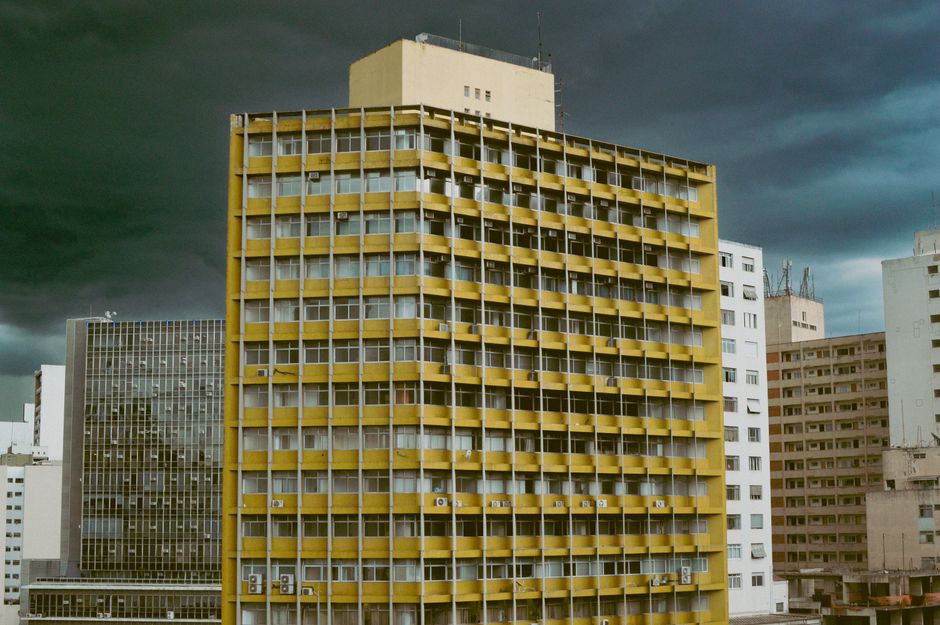
On Rua Harmonia in Vila Madalena, where artisanal coffee roasters and design studios have clustered over the past decade, business owner Carolina Mendes watches her commercial real estate costs climb 12 percent year-on-year. It's a pattern she's learned to read—not as a crisis, but as a barometer of deeper economic currents reshaping São Paulo's entrepreneurial landscape.
The Central Bank's latest economic indicators reveal a crucial shift in investment flows across Brazil. Foreign direct investment reached R$32 billion in the first half of 2026, with a notable reallocation toward secondary business hubs beyond Paulista Avenue's traditional corporate corridor. Venture capital moving into tech startups in Zona Leste and artisanal manufacturing in Vila Leopoldina reflects investor confidence in São Paulo's decentralized growth.
"Small business owners need to understand what these flows mean operationally," explains the perspective of market analysts tracking local conditions. When the Brazilian Development Bank (BNDES) expanded its credit lines for micro and small enterprises by 8 percent this quarter, it signaled something crucial: lenders see stability ahead, even as inflation hovers at 4.3 percent.
The data matters tangibly. A small business owner seeking expansion capital in Consolação now accesses BNDES loans averaging R$180,000 at 6.5 percent annual rates—measurably better than 2024's 8.2 percent conditions. Meanwhile, commercial rents in established neighborhoods like Bom Retiro and Brás have stabilized, offering cheaper entry points for manufacturers seeking to scale.
Currency movements also shape strategic decisions. With the real trading near 5.15 per dollar, export-oriented micro-businesses gain competitive advantage, while those importing components face headwinds. A textile workshop owner in Bom Retiro manufacturing for regional markets benefits from favorable exchange dynamics; a tech hardware importer in Zona Sul must recalculate margins.
Property values tell another story. Commercial spaces in Pinheiros appreciated 9 percent annually through 2025, cooling to 5 percent in 2026 as investors diversify into emerging micro-hubs like Vila Mariana and Itaim Bibi's secondary blocks. Smart entrepreneurs recognize these cycles.
The investment flow picture ultimately reveals this: São Paulo's business environment remains competitive but navigable for informed players. Rising capital availability, stabilizing inflation, and geographic diversification create openings for entrepreneurs willing to understand the economic indicators shaping their neighborhoods. Those reading these signals—monitoring Central Bank reports, BNDES announcements, and local property trends—position themselves to capitalize on the next cycle of growth.
This article was compiled by AI from the sources linked above and screened before publishing. See our editorial standards.