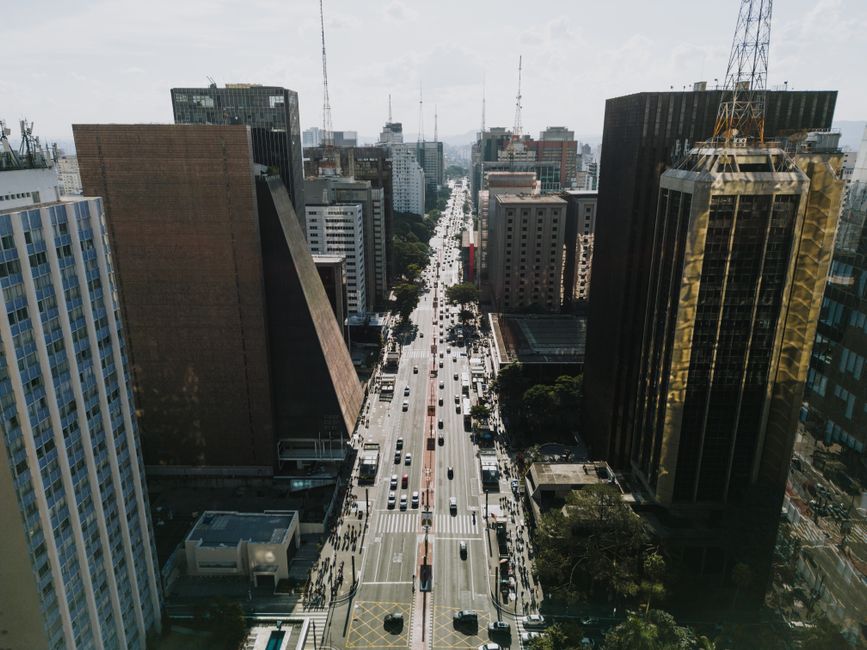
São Paulo's tourism sector is experiencing a remarkable resurgence. International visitor arrivals reached 1.9 million in 2025, surpassing 2019 figures, and June 2026 projections suggest sustained momentum as winter tourism peaks and major corporate events draw global audiences to Brazil's financial capital.
The surge has triggered a visible transformation across the city. Vila Madalena's bohemian corridor—long anchored by independent galleries and studios along Rua Aspicuelta—now hosts a rotating constellation of temporary art hotels and pop-up hospitality ventures. One boutique operator reported 94% occupancy rates across its three properties this quarter, a stark contrast to the 68% average just two years ago. Room rates in the neighbourhood have climbed 31% year-on-year, yet booking calendars remain compressed into single-digit availability windows.
The gains extend far beyond premium accommodation. Rua Augusta's street food renaissance has accelerated, with established vendors reporting foot traffic increases of up to 60% compared to June 2024. Walking tour operators managing circuits through Bom Retiro's textile district and Liberdade's Japanese neighbourhood report fully booked schedules through August. A local operator running small-group experiences told industry contacts that repeat bookings—visitors returning for specialised culinary or architecture tours—now represent 28% of revenue, up from 12% three years ago.
Pinheiros and Vila Mariana have emerged as secondary beneficiaries. These neighbourhoods, traditionally overlooked by international itineraries, are capitalising on accommodation pressure in saturated zones. Restaurants around Rua Joaquim Floriano report a palpable shift toward international diners, with English-language menus and adapted pricing becoming standard rather than exceptional. One hospitality consultant tracking the sector noted that average spend per visitor has increased 19% as experiences diversify beyond traditional attractions like the MASP and Pinacoteca do Estado.
However, opportunity remains unevenly distributed. Larger hotel chains and established tour operators have captured disproportionate gains. Independent guesthouse owners and small cultural venues report difficulty accessing the distribution channels and marketing budgets necessary to reach surging demand. Several family-run restaurants in the city centre have faced pressure to scale rapidly or risk irrelevance as tour groups bypass intimate venues for predictable chains.
The window for independent operators to establish positioning remains open but narrowing. As São Paulo's global profile rises—particularly among South American and European travellers seeking alternatives to Rio—the race to differentiate and capture visitor loyalty is accelerating. Neighbourhoods that successfully marry authentic local character with visitor-friendly infrastructure are emerging as the clear winners in this economic cycle.
This article was compiled by AI from the sources linked above and screened before publishing. See our editorial standards.