São Paulo's Job Market Signals Recovery: Here's What the Numbers Really Tell Us
Fresh economic indicators reveal shifting investment patterns reshaping employment across Brazil's business capital.
Fresh economic indicators reveal shifting investment patterns reshaping employment across Brazil's business capital.
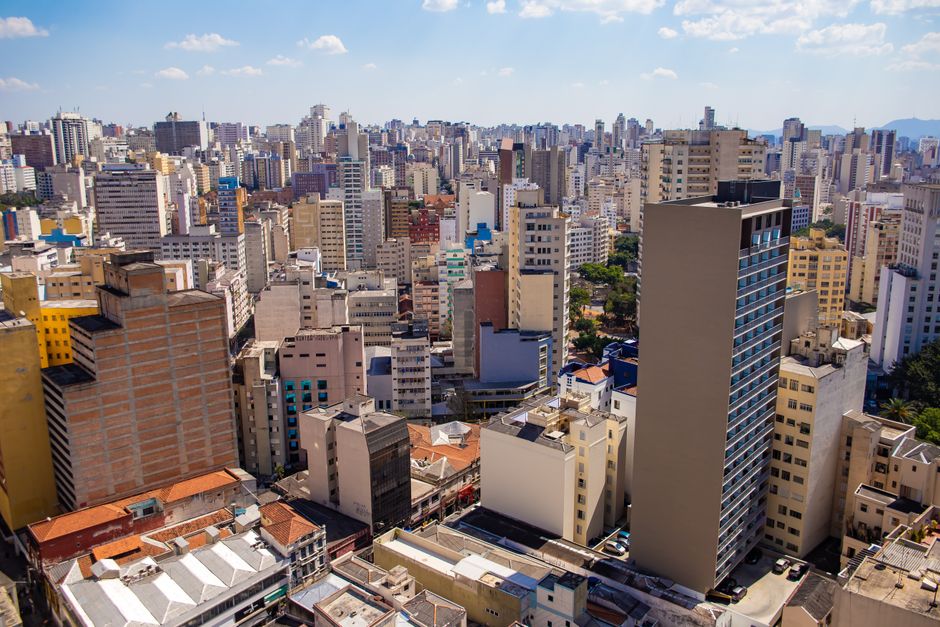
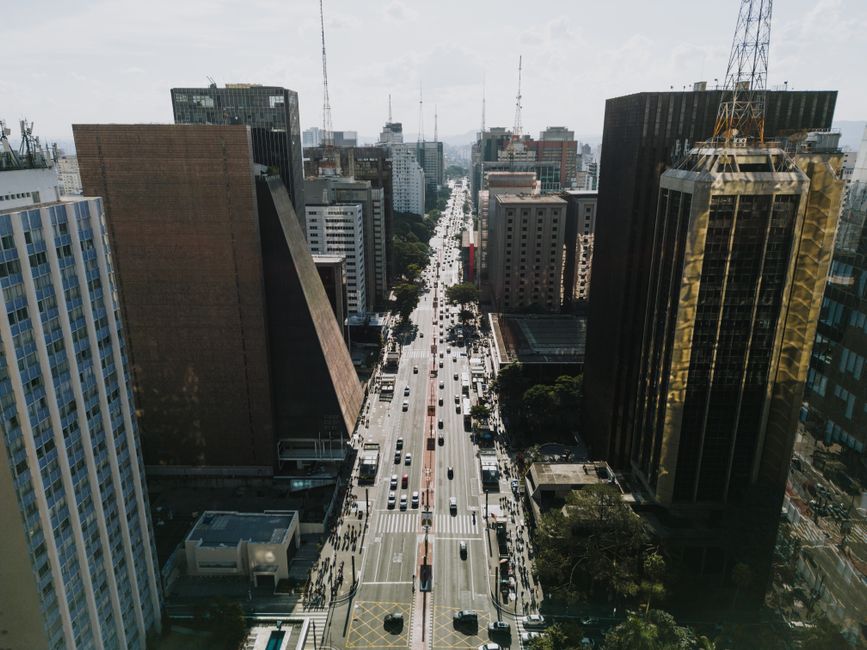
São Paulo's labour market is sending mixed but ultimately encouraging signals as mid-2026 unfolds. The latest Central Bank data shows formal employment grew 2.1 per cent year-on-year through May, a modest but steady pace that reflects cautious optimism among major employers clustering around Avenida Paulista and the expanding Faria Lima financial corridor.
Investment flows paint a clearer picture of where opportunity is concentrating. Foreign direct investment into São Paulo state reached $4.2 billion in the first quarter—up 18 per cent compared to the same period last year—with notable inflows into technology and renewable energy sectors. This capital movement matters acutely for job creation: sectors attracting fresh investment typically expand headcount within six to nine months.
The technology hub around Vila Mariana and Pinheiros continues magnetising venture capital and multinational expansion. Recruitment agencies report sustained demand for software engineers, data analysts and product managers, with entry-level positions starting around R$6,500 monthly and senior roles commanding R$15,000 to R$22,000. This contrasts sharply with retail and hospitality sectors, where wage stagnation persists despite moderate hiring increases.
Real estate development in the West Zone—particularly around Água Branca and Lapa—signals confidence in long-term São Paulo prospects. Construction employment jumped 4.3 per cent, driven by infrastructure projects and residential development. However, this growth masks underlying fragility: subcontractor networks remain tightly stretched, and material costs continue squeezing margins.
Manufacturing presents a paradox. While traditional industrial zones south of the city report stable production, automation investments suggest future employment growth will plateau. Machinery manufacturers and automotive suppliers increasingly prioritise productivity over headcount expansion, though skilled technical positions remain scarce and well-compensated.
Service sector employment—including finance, legal services and consulting—grew 1.8 per cent, suggesting professional services firms remain cautious about expansion despite robust client demand. Average salaries in this segment range from R$8,000 for junior analysts to R$35,000 for management positions.
What connects these threads? Investment flows precede employment changes by months. The current surge in foreign capital targeting technology and energy infrastructure suggests the job market will strengthen through 2026's second half, particularly for skilled workers. However, wage growth remains constrained by labour supply abundance in traditional sectors.
For São Paulo's workforce, the lesson is clear: skills alignment with investment trends—particularly technology and sustainability expertise—increasingly determines earning potential and employment security. The capital's economic restructuring favours adaptability.
This article was compiled by AI from the sources linked above and screened before publishing. See our editorial standards.
How does this story make you feel?
Spread the word
About this article
Published by The Daily São Paulo
Daily brief
Free, in your inbox before 7am. Weekdays.
More in Business