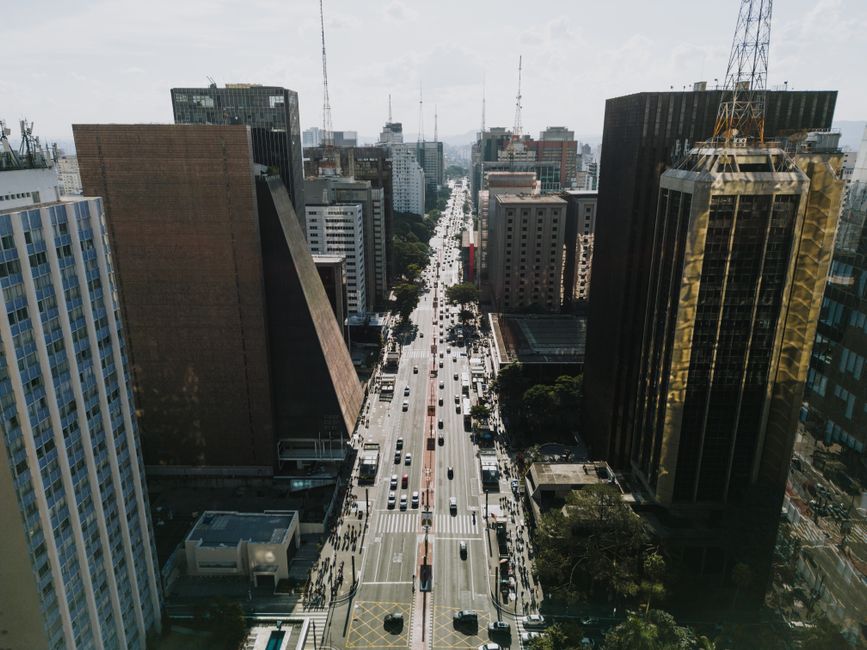
Walk through the lobbies of Avenida Paulista's gleaming office towers and you'll sense the tension. Coffee prices at spots near MASP have climbed 18% since January, rent in Pinheiros hovers near R$4,500 for a modest two-bedroom, and the cost of living in Brazil's financial capital has become a daily conversation among professionals earning middle-class salaries.
The culprit? A complex web of economic indicators that most São Paulo residents encounter only vaguely—inflation readings, interest rate decisions, and foreign investment flows. But understanding these forces has moved from academic curiosity to practical necessity.
Brazil's Central Bank, housed in the federal district but watched obsessively by traders in São Paulo's financial district, has kept its benchmark Selic rate elevated to combat persistent price pressures. When rates climb, borrowing becomes expensive. Mortgages for apartments in neighbourhoods like Vila Mariana or Mooca become less affordable. Small business owners in the 25 de Março textile district face stiffer costs for expansion capital. Meanwhile, local bonds and savings accounts offer better returns—making some choose safety over growth.
This directly affects investment flows into the city. Foreign direct investment into São Paulo's tech corridor in the southern zone has moderated compared to 2024's surge, according to local investment promotion agencies. Venture capital cheques remain robust but more selective, focusing on companies demonstrating clear paths to profitability rather than growth-at-all-costs strategies that characterized the previous cycle.
The flip side: higher interest rates attract international portfolio investment. Brazilian equities become more attractive when real returns improve. The B3 stock exchange, located in the historic Centro district, has seen increased foreign participation in local shares—a stabilizing force amid global uncertainty.
For ordinary São Paulo residents, the practical translation is sobering. A family earning R$8,000 monthly must allocate 35-40% to rent, utilities, and transport—up from 28% three years ago. Supermarket baskets in the Zona Leste cost significantly more than in 2024. Yet paradoxically, those with savings or investment capacity have found opportunities: high-yield savings accounts and fixed-income instruments offer real returns not seen in years.
The challenge facing São Paulo's policymakers and economists is clear: sustain inflation control without strangling the city's growth engine. As we head into the second half of 2026, watch three indicators closely: whether the Selic begins declining, whether foreign investment reaccelerates, and whether wage growth can finally outpace price increases. These signals will determine whether São Paulo's vaunted resilience holds or cracks under pressure.
This article was compiled by AI from the sources linked above and screened before publishing. See our editorial standards.