Expats Choose 5 Best São Paulo Neighborhoods for 2026 Living
From the finance towers of Itaim Bibi to the creative streets of Pinheiros, a neighbourhood guide to renting in South America's largest city.
From the finance towers of Itaim Bibi to the creative streets of Pinheiros, a neighbourhood guide to renting in South America's largest city.
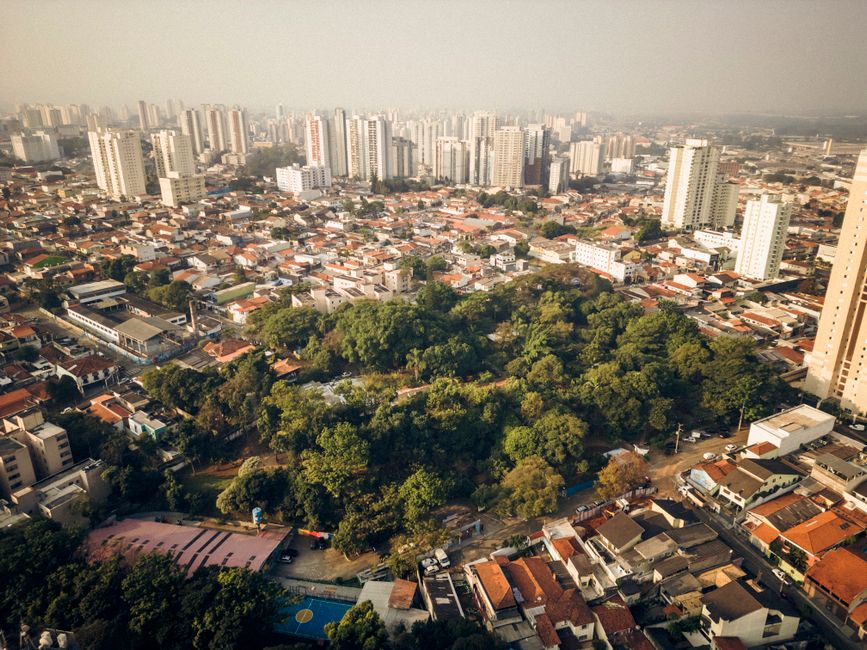
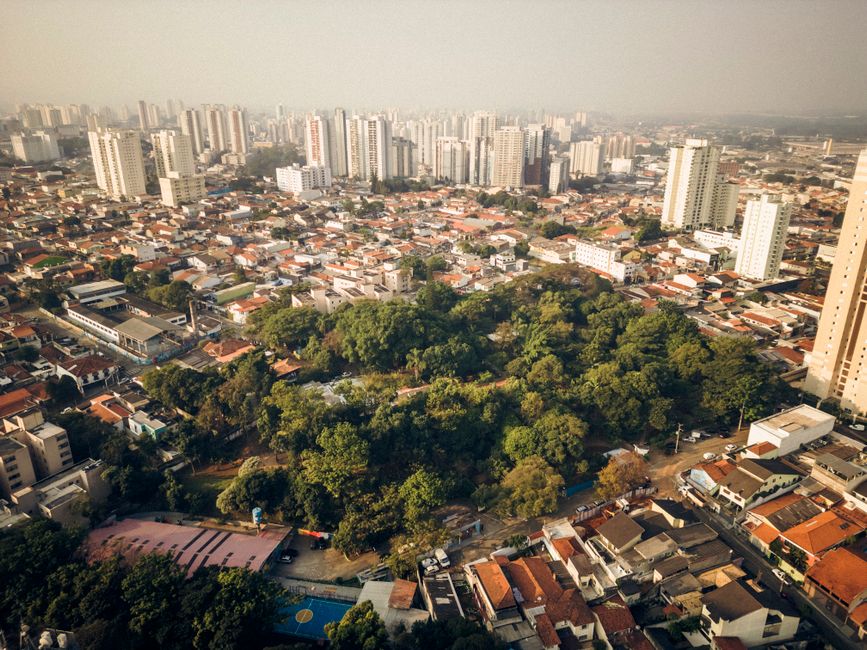
Sao Paulo is a city of 22 million people, roughly 1,500 sq km of urban sprawl, and more neighbourhoods than most newcomers can name. For expats arriving in 2026, the good news is that the best residential pockets cluster along a manageable corridor in the city's southwest. The less good news is that rental prices in those pockets have climbed sharply. As at early 2026, a one-bedroom apartment in a desirable neighbourhood starts at around R$3,500 (roughly US$635), well above the national capital-city average of R$2,300 (US$420).
This guide covers eight neighbourhoods that consistently attract international residents, with current rental benchmarks, lifestyle notes, and the practical details that rarely make it into glossy relocation brochures.
Itaim Bibi sits at the top of the rental market, with average asking rents near R$85 per square metre, the highest in the city as at early 2026. A furnished one-bedroom apartment typically starts from R$5,000 (US$1,000+). The neighbourhood is home to major consulting firms, law offices, and financial institutions, and its restaurants and bars cater to a business-lunch crowd during the week and a lively social scene at weekends.
For expats on corporate packages, Itaim Bibi offers the shortest commute-to-office ratio in the city. Most residential towers feature 24-hour doormen (porteiros), underground parking, and rooftop leisure areas. The Faria Lima metro station connects the area to the broader transit network, though rush-hour traffic on Avenida Faria Lima remains notoriously slow.
Brooklin has evolved into Sao Paulo's main financial district, anchored by multinational company headquarters in sectors spanning finance, technology, and business services. One-bedroom rents start from around R$5,500 (US$1,100+), reflecting the area's corporate status. The neighbourhood is newer in character than Itaim Bibi, with wider avenues, modern high-rises, and proximity to the Berrini commercial strip.
Expats working in Brooklin often live there too, eliminating the commute entirely. International schools and private hospitals are accessible within a short drive, and the neighbourhood's newer building stock means apartments tend to come with modern amenities as standard.
Jardins (encompassing Jardim Paulista, Jardim America, and Jardim Europa) has long held the best reputation among Sao Paulo's expat community. Tree-lined streets, designer boutiques along Rua Oscar Freire, and some of the city's finest dining give it an atmosphere closer to a European capital than a megacity. Rental prices vary across the sub-neighbourhoods, but expect to pay a premium for the address and the walkability.
The area is well served by the Consolacao and Trianon-MASP metro stations, and Avenida Paulista, the city's cultural spine, forms its northern boundary. For expats who prize street-level living over high-rise convenience, Jardins is difficult to beat.
Pinheiros is the neighbourhood most likely to convert a sceptical newcomer. It blends a modern, cosmopolitan atmosphere with genuine local character: independent cafes sit alongside coworking spaces, and the Mercado Municipal de Pinheiros draws crowds for fresh produce and street food. One-bedroom apartments start from approximately R$3,800 (US$750+), making it one of the more accessible upscale options.
Transit connections are strong, with the Faria Lima and Pinheiros metro stations providing links across the city. The neighbourhood's walkability score is among the highest in Sao Paulo, and its density of restaurants, bars, and cultural venues per block rivals anywhere in Latin America.
Vila Olimpia has positioned itself as Sao Paulo's technology and startup hub. Co-working spaces, venture capital offices, and tech company headquarters cluster along its main streets. The area attracts a younger, internationally minded demographic, and its nightlife scene is among the most active in the city.
Rental prices sit in the upper-middle bracket for the southwest corridor. The neighbourhood can feel quieter during daytime hours compared to Itaim Bibi or Pinheiros, but it transforms after dark. Buildings are predominantly modern, and most offer the full suite of amenities: pools, gyms, 24-hour porteiros, and secured parking.
Moema is widely regarded as the best neighbourhood in Sao Paulo for expat families. It is affluent, quiet by the city's standards, and benefits from proximity to Ibirapuera Park, the city's largest and most popular green space. One-bedroom apartments start from around R$4,500 (US$900+), with larger family units commanding significantly more.
The neighbourhood has a strong selection of international schools within reach, private medical facilities, and a dense cluster of restaurants and bakeries. Its residential character means less nightlife than Pinheiros or Vila Olimpia, which is precisely the appeal for families with young children.
Vila Nova Conceicao is one of the most exclusive residential pockets in the city, bordering Ibirapuera Park and offering some of the best green views available in central Sao Paulo. The neighbourhood is small, quiet, and expensive. It suits expats seeking privacy, space, and a slower pace without leaving the urban core.
Dining and retail options are more limited than in neighbouring Itaim Bibi or Moema, but the trade-off is a genuine sense of residential calm. Buildings here tend to be lower-rise, with generous floor plans and high-end finishes.
Bela Vista offers a strikingly different proposition. Shaped by generations of Italian immigration, the neighbourhood retains a lively, slightly gritty character that appeals to expats on tighter budgets or those who prefer authenticity over polish. One-bedroom apartments start from approximately R$2,500 (US$500+), making it one of the most affordable central options.
The area is home to the city's "Little Italy" dining scene, the Sao Paulo Museum of Art (MASP) sits at its border, and the vibrant Rua Augusta corridor runs through its western edge. Transit access is excellent, with multiple metro stations nearby. The trade-off is a neighbourhood that can feel rougher around the edges, particularly at night.
Sao Paulo rewards expats who choose their neighbourhood carefully. The difference between a good and a great location here is not just comfort; it is hours saved in traffic, access to the services that matter, and the texture of daily life outside your apartment door.
This article was compiled by AI and screened before publishing. See our editorial standards.
How does this story make you feel?
Spread the word
About this article
Published by The Daily São Paulo
Daily brief
Free, in your inbox before 7am. Weekdays.
More in lifestyle